


August 16, 2023
Singapore eyes role as aquaculture technology hub for tropical marine regions
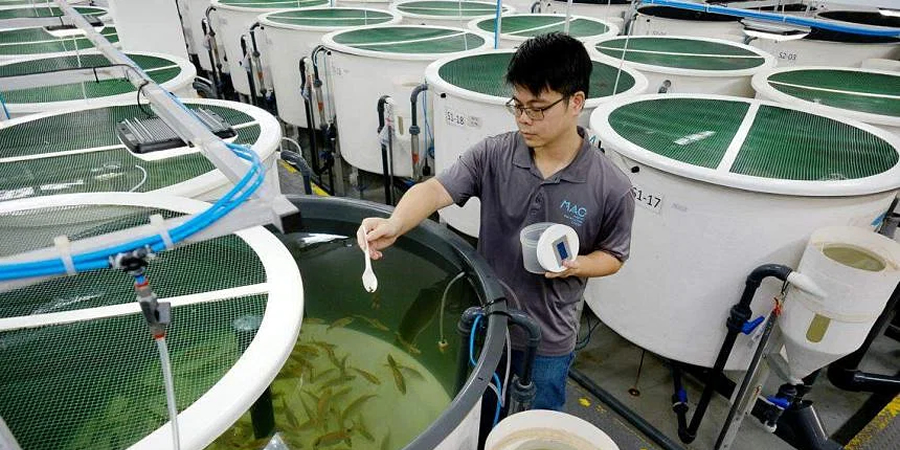
As Singapore sets its sights on bolstering fish production for food security, the nation is primed to leverage its aquaculture technology by exporting its expertise to neighbouring countries and other tropical marine regions, The Straits Times reported.
Dr Jiang Junhui, director of the Singapore Food Agency's aquaculture department, highlighted the country's strengths in intensive indoor farming systems, hatchery expertise, and genetics-based selective breeding. These technologies are especially targeted at enhancing the growth and quality of tropical marine fish species like Asian sea bass (barramundi).
Speaking at the Marine Aquaculture Centre (MAC) on St John's Island during MAC's 20th-anniversary celebration, Dr Jiang said there is potential for Singapore to become an R&D hub for sustainable tropical aquaculture. He said that the nation's aquaculture companies could play a pivotal role in exporting these innovative technologies and solutions to address global aquaculture challenges.
Dr Jiang pointed out the reliance on small-scale farming and the depletion of fish stocks in neighboring countries, as well as the limitations of selective breeding for popular tropical species. The need for increased aquaculture is evident due to stagnant captured fisheries and limited freshwater resources. However, as the aquaculture industry expands, it also faces challenges related to disease, sustainability, and efficiency.
In 2022, Singapore's farms, both land-based and sea-based, contributed just 7.6% of the country's seafood consumption. While the local aquaculture industry is still emerging, the nation has demonstrated significant strides in aquaculture research. One notable success story is the Asian sea bass genetics and breeding programme led by MAC and the Temasek Life Sciences Laboratory. This programme, initiated in the early 2000s, has yielded genetically superior sea bass with accelerated growth rates and disease resistance.
Despite progress, challenges persist in the industry, including higher mortality rates and sea-based diseases. The scale drop disease virus prompted the Barramundi Group to halt commercial production at its ocean-based sites. Local Singapore firms, such as the Barramundi Group and Singapore Aquaculture Technologies, source their barramundi eggs from MAC's hatcheries.
- The Straits Times


