


August 13, 2025
Russia eyes pork exports to the Philippines this year amid stiff competition, industry group says
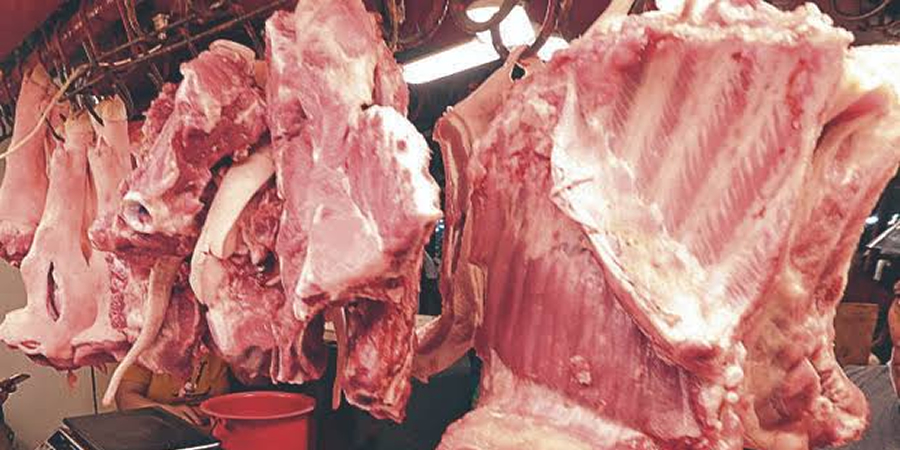
Russian pork exports to the Philippines could start as early as this year, but exporters should brace for fierce competition and use every available tool to promote their products, National Meat Association head Sergei Yushin said.
Last week, Russian meat producers participated for the first time in WOFEX-2025, Asia's largest food exhibition in the region. The event showcased products from Russian meat market leaders including APH Miratorg, Cherkizovo Group and Damate Group, with dozens of meetings and negotiations conducted, Yushin said.
"Notably, Russian products drew interest not only from potential buyers but also from competitors who have been supplying here for years and attend this event to maintain client relations and explore new sales channels," he said.
"Currently, Russian exporters have access to over 100 markets, with regular shipments to about 60 countries. Global competition is extremely intense - we're battling world giants like Brazil, the US EU and others for every market and every tonne sold," he said. "We've achieved notable success in some areas. Russia remains virtually the sole turkey supplier to China, leads poultry exports to China and Saudi Arabia, and dominates pork supplies to Belarus and Vietnam. But we're not resting on our laurels - we're actively exploring Africa and consolidating in Central Asia."
Yushin identified the Philippines as a promising market for Russian meat, particularly pork. Currently, Russia only has approval for beef and poultry exports to the country. "The local population loves meat, especially pork which accounts for nearly half of meat consumption," Yushin said. He noted that the Philippines has a population of 118 million, which is growing by 1.5-2 million annually.
"We are now in the final stage of preparations to open the market for Russian pork. This is the most important decision that we are eagerly awaiting," Yushin said. "According to estimates by local businesses, the Philippines may increase pork imports to over 1 million tonnes this year. Pork accounts for half of all meat imports from other countries. I won't make predictions, but I believe we will ship our first batches this year already. However, this market has many strong suppliers, and we will need to make significant efforts to displace some of them," he said.
Filipino buyers are interested not only in products for further processing, but also in premium retail and restaurant goods, he said. "At the exhibition, we saw displays of Spanish jamon, Dutch cheeses, French wines and Japanese Wagyu beef," he said. "We need to identify product categories that will bring Russian companies maximum profits and have growth potential. However, it's important to understand that the Philippine market has its specific characteristics which must be taken into account. For example, here products requiring less processing are more expensive than those involving more time and labour input. Or if you want to sell beef tails, they must include the skin. There are many such nuances. Products that are less popular in Russia are in demand here. "Everything is tailored to traditional Filipino cuisine, though Westernization of consumption is clearly evident," he said.
Yushin stressed the importance of leveraging all promotional tools. "The rapid progress on poultry market access resulted from coordinated efforts by Rosselkhoznadzor [the Federal Service for Veterinary and Phytosanitary Surveillance], Russia's trade mission and agricultural attache. Their negotiations accelerated veterinary certificate approvals and Philippine recognition of Russia's avian flu regionalisation. Without this, market access wouldn't have happened. Philippine business groups also made efforts, in particular the association of meat processors and its director Jet Ambalada, who visited Russia in July, facilitated cooperation between the two countries' relevant agencies. Personal contacts are crucial for Filipinos, making the presence of Agriculture Ministry representatives vital for market research and relationship-building," he said.
Yushin emphasised the importance of this work, noting that the Philippines is currently negotiating free trade agreements with Canada, the EU and South American countries. "I believe that Russia and the entire EAEU [Eurasian Economic Union] must also initiate free trade negotiations as soon as possible to avoid being left on the sidelines of trade with this country," he said. "This is a huge and growing market that is highly dependent on imports, especially since local businesses are eager to engage and seek new opportunities for mutual trade."
"This market holds promise beyond meat - the country imports massive amounts of agricultural products worth nearly US$17 billion, and this figure will only grow," he said.
- Interfax


