


August 11, 2025
Malaysia to only allow meat, poultry imports with halal certificates
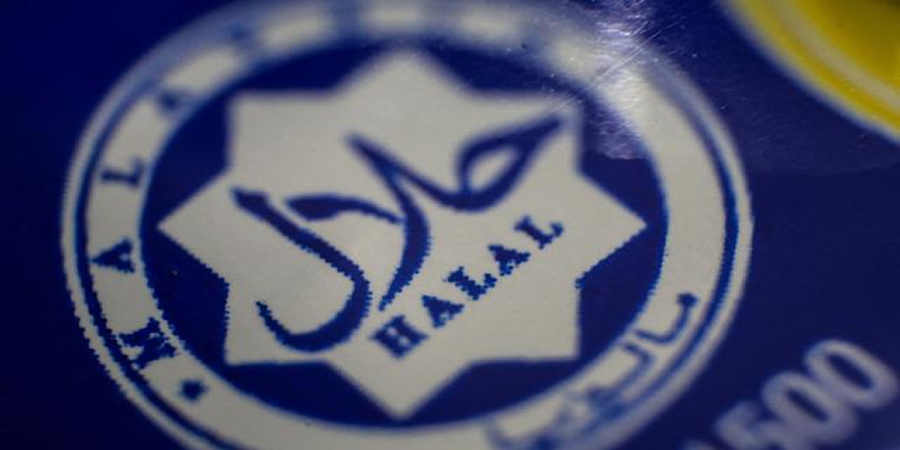
The Malaysian government will now only permit the importation of meat and poultry products that have obtained halal certificates from US halal certification bodies that comply with halal standards set by the Department of Islamic Development Malaysia (JAKIM).
Investment, Trade and Industry Minister Tengku Datuk Seri Zafrul Abdul Aziz said the Malaysian government will not compromise on the matter and continues to uphold halal standards that adhere to Shariah law in order to safeguard the interest of Muslim consumers within the country.
"The facilitation being offered here only relates to the monitoring and verification carried out by US halal certification bodies recognised by JAKIM," he clarified, stressing that claims of Malaysia will just recognise US halal certificates is baseless, misleading and malicious and does not at all reflect the actual facts agreed on in the US tariff revision negotiations.
He also noted that it was agreed during the negotiations to facilitate the process of certification and registration of facilities for the export of dairy, meat and poultry products from the US to Malaysia based on domestic regulations that have been established.
Both countries have also agreed to adopt the method of ‘regionalisation' for animal disease control for the export of live poultry products from the US, in addition to facilitating the process from the US such as automotive products, medical devices and pharmaceuticals based on domestic regulations set.
The negotiations also saw both countries agreeing to enhance their commitments and enforcement on issues related to intellectual property rights labour, the environment and sustainable fisheries management based on Malaysia's commitments to relevant international organisations.
Earlier in January, the Halal Development Corporation Bhd (HDC) – a central agency advancing Malaysia's halal ecosystem under Tengku Zafrul's ministry (MITI) – targets 2,443 halal exporters from within the country this year, compared to 1,600 of December 2024.
HDC chief executive officer Hairol Ariffein Sahari said that local companies have been facing challenges in becoming halal exporters, including the lack of a ‘halal compliance manager' that is responsible for developing halal operational frameworks, the ability to identify potential halal markets and a ‘wait-and-see' attitude.
"Such companies must have market intelligence to ensure they have a clear direction and strategy in the halal economy, as well as guidance on exporting their products internationally," he said.
Hairol also noted that over 200,000 companies have been engaging in halal-related business activites. As of December last year, only 9,162 companies across various segments held halal certification from JAKIM.
Of these, only 1,600 are halal exporters, which is still considered low compared to the global halal market demand that now exceeds US$3 trillion.
Touching on Malaysia's ASEAN chairmanship this year, HDC chairman Khairul Azwan Harun said Malaysia would assist other member countries in developing halal ecosystems in their countries, in addition to improving bilateral trade between Malaysia and ASEAN counterparts.
"In ASEAN, we have more than 650 million people. We must grab this opportunity for the 10 ASEAN member countries to benefit from the halal economy. We should not let other countries outside ASEAN profit exponentially from the halal market," he said.
Khairul also mentioned that HDC plans to collaborate with agencies such as the Malaysia External Trade Development Corporation (MATRADE) and JAKIM to continue promoting Malaysia's halal products to other countries.
- SME & Entrepreneurship Magazine


