


August 1, 2023
Vietnam experts advocate circular economy model for agricultural by-products to boost sustainability
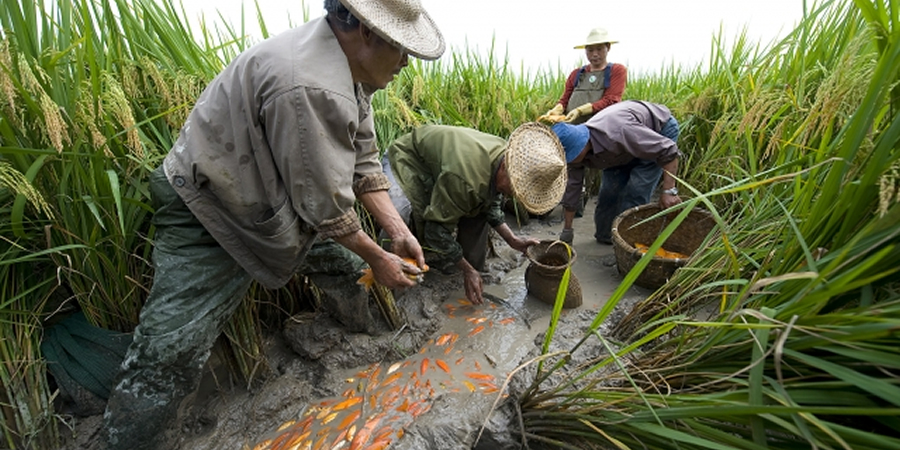
Vietnamese experts called for establishing a circular and organic economic ecosystem to capitalise on the significant potential of agricultural by-products, as stakeholders discussed the importance of connecting various sectors to foster sustainability and reduce waste, Vietnam Plus reported.
In 2020, Vietnam generated over 156.8 million tonnes of farming by-products. However, only 45% of these by-products were utilised in the circular economy for purposes such as livestock feed, composting, and cooking, while the rest were discarded directly into the environment, resulting in substantial waste.
Nguyen Xuan Duong, chairman of the Animal Husbandry Association of Vietnam (AHAV), believes that embracing a circular economy model in agriculture is crucial for sustainable and environmentally-friendly practices. This shift towards circular economy principles contributes to enhancing the agricultural sector's value-added and sustainability, aligning with economic, social, and climate change goals.
To establish a circular economic chain, Nguyen Quynh Hoa from Vietnam's Department of Livestock Production suggests integrating livestock production with crop cultivation and other sectors. Leveraging the potential of agricultural by-products and livestock waste can lead to sustainable livestock farming, reduce greenhouse gas emissions, and protect the environment.
Highlighting the development of organic products, Ha Phuc Mich, chairman of the Vietnam Organic Agriculture Association, said that raising awareness among domestic consumers is vital. Currently, there is limited understanding and demand for organic farming and products, which hinders the creation of a robust organic market. Encouragement and support are needed to incentivize producers to transition from conventional to organic agriculture.
The experts said that the transition to a circular economy requires comprehensive changes, and all relevant parties, including the state and businesses, play crucial roles. Enterprises and cooperatives are already working on establishing networks and sharing experiences to implement circular economy models in agriculture. Research institutes, schools, and technology transfer centres provide technical support and facilitate connections to drive this shift towards a more sustainable and circular agricultural ecosystem.
- Vietnam Plus


