


July 31, 2025
Ozempic may reshape the future of pork
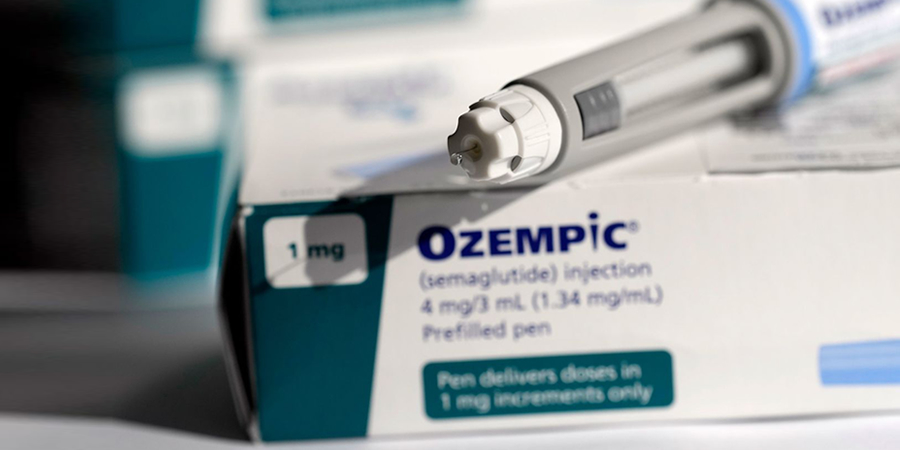
The surge of GLP-1 drugs, initially designed for diabetes but now hailed for weight loss, is transforming dietary patterns with significant implications for the pork industry.
These medications, including semaglutide and others, are reducing cravings and shifting consumer preferences toward lean proteins, offering pork producers a chance to adapt to a health-driven market. With 40% of the global population overweight or obese—nearly double the undernourished—health systems are under pressure. GLP-1 drugs are catalyzing a dietary revolution that could usher in a new era for pork if the industry embraces change.
A Gallup survey reports 15.5 million US adults currently use injectable weight-loss drugs, with projections estimating 9% of Americans will adopt them by 2030. The global GLP-1 market, valued at US$47 billion, could expand tenfold by 2032, according to Pharmaceutical Journal. Users are cutting calorie intake by up to 20%—approximately 800 kilocalories daily—while moving away from fatty, sugary, and processed foods toward nutrient-rich options. For pork producers, this presents a clear directive: prioritizing lean, unprocessed pork could position the industry to meet evolving consumer demands.
GLP-1 drugs mimic a hormone that suppresses appetite, slows digestion, and enhances feelings of fullness. Users not only consume less but also gravitate toward healthier foods, avoiding processed, high-fat options. A September 2023 Morgan Stanley report notes a decline in demand for processed foods like sugary beverages and salty snacks among GLP-1 users. A Canadian survey of over 8,600 users found a 30% reduction in consumption of sweets and carbonated drinks. For pork, this shift highlights an opportunity: lean cuts like loin could gain popularity as consumers turn away from fat-heavy processed products such as sausages or bacon.
Pork is a protein-rich food, but its processed forms often feature high levels of fat, salt, and sugar—qualities misaligned with the preferences of GLP-1 users, particularly given the drugs' digestive side effects, such as discomfort or diarrhoea, according to an article in The Economist. Experts foresee a growing demand for "lower-fat animal proteins," suggesting pork could surpass beef if producers focus on leaner offerings. This could involve breeding pigs for reduced fat content, modifying feed to produce leaner meat, or promoting lean cuts over fattier ones like ribs.
The economic implications are substantial. Morgan Stanley projects that by 2035, 9% of Americans using GLP-1 drugs could reduce consumption of processed snacks and drinks by up to 4%. For pork producers, this creates a divide: those specialisng in lean protein may see growth, while producers of fatty, processed products could face declining demand. Retail data from 2023 links GLP-1 use to reduced sales of indulgent foods, signaling potential challenges for pork's processed segment. Adapting to prioritize lean cuts may require investments in new breeding programs or processing facilities, which could strain short-term profits but secure long-term viability.
This dietary transformation extends to agriculture. As GLP-1 users favour whole foods—lean meats, fruits, and vegetables—over processed options, demand may shift from pigs bred for fatty cuts to leaner ones. Analysts suggest land use could move away from crops supporting processed food supply chains, such as corn for sweeteners, toward those sustaining leaner diets. Pork's versatility positions it to compete with poultry, particularly for lean cuts, while its processed products lose appeal.
Innovations in feed or genetics could facilitate pork's transition to leaner profiles, though some predict a gradual 0.5%–1% decline in farm output over the next decade. Environmentally, reduced demand for fat-heavy pork could decrease waste and emissions by diverting resources from unsold cuts. A US airline study offers a parallel: a 10-pound weight reduction per passenger saves 100 million litres of fuel annually. Leaner pork diets could yield similar efficiencies in resource use.
- FarmJournal's Pork


