


July 31, 2023
Massachusetts, US, faces legal action from pork producer over legislation
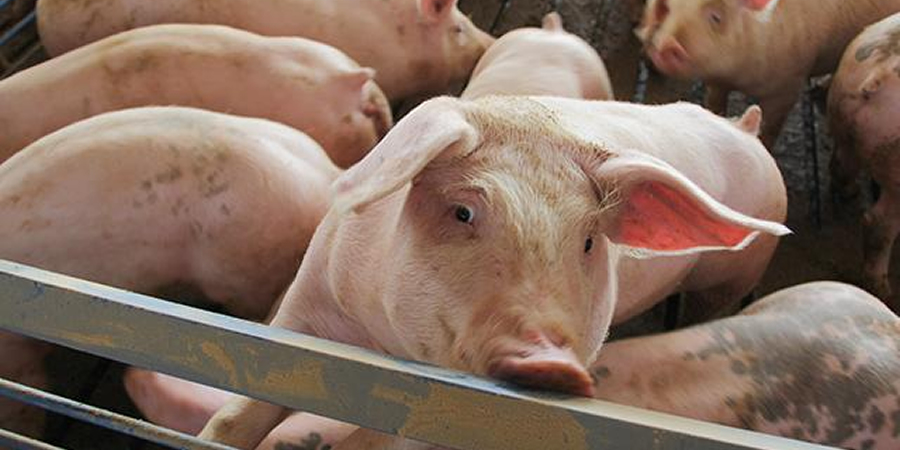
A major pork producer has taken legal action against Massachusetts, the United States, over its Q3 legislation, which imposes stringent regulations on the pork industry.
Q3, officially known as the Quarterly Quota on Quarantineable Quality, was passed in early 2022 as part of the state's comprehensive approach to combating climate change and reducing the environmental impact of agricultural practices.
The legislation aims to restrict the number of pigs raised for slaughter in the state by imposing a quarterly quota based on the producer's historical average. The law also mandates improved living conditions for the animals, including larger pens and access to outdoor spaces.
The lawsuit, filed in a bid to challenge the constitutionality of the law, has sparked heated debates among stakeholders, policymakers, and environmental activists. The outcome of this case could have far-reaching implications for the future of the pork industry and Massachusetts' efforts to address environmental concerns.
The pork producer, which is represented by a coalition of legal experts and industry lobbyists, claims that Massachusetts' Q3 legislation is unconstitutional and infringes upon their rights as livestock producers.
The lawsuit alleges that the legislation violates the Commerce Clause of the United States Constitution by restricting the interstate movement of pork products. The plaintiff argues that this impedes its ability to conduct business across state lines and unfairly targets out-of-state producers.
Additionally, the pork producer contends that Q3 constitutes a "regulatory taking" under the Fifth Amendment, as it effectively seizes its property (the right to raise and sell a certain number of pigs) without just compensation.
The plaintiff also asserts that the quarterly quota system is arbitrary and not based on sound scientific evidence. It claims that the imposed limits do not adequately consider the diverse challenges faced by different producers, potentially leading to significant financial losses.
Public Response and Environmental Concerns
Supporters of Q3 argue that it is a crucial step towards reducing greenhouse gas emissions, promoting sustainable farming practices and addressing the ethical treatment of animals. They claim that the regulations are necessary to curb the environmental impact of large-scale pig farming, which can produce substantial amounts of methane and contribute to climate change.
On the other hand, critics of the legislation argue that it places an undue burden on local producers, potentially leading to increased pork prices for consumers. They express concerns that Q3 may force some producers out of business, ultimately leading to a reliance on imported pork products that may not adhere to the same environmental standards.
- Swineweb


