


July 30, 2026
US imposes antidumping duties of up to 139.83% on Chinese L-lysine in final Commerce Department ruling
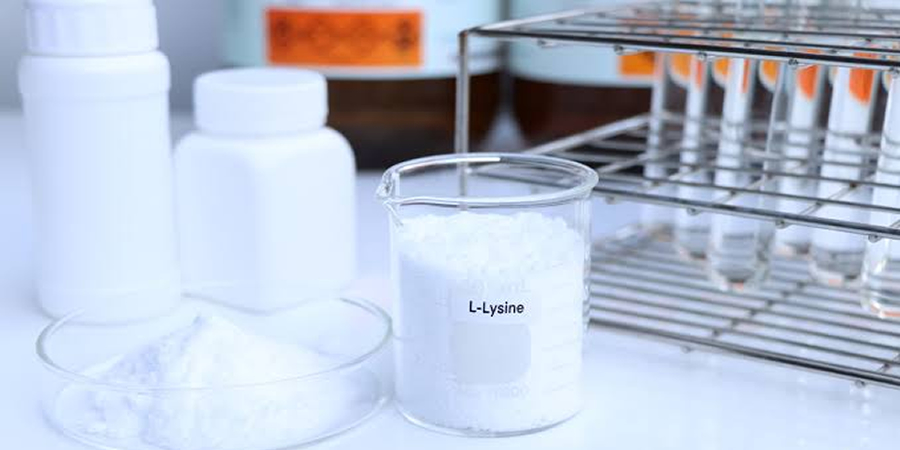
Countervailing duties of up to 82.11% have also been confirmed on Chinese L-lysine producers, with a final injury determination by the International Trade Commission still pending before orders take effect.
The US Department of Commerce announced final affirmative antidumping and countervailing duty determinations on L-lysine imports from China on 21 July 2026, setting weighted-average dumping margins of up to 139.83% and subsidy rates of up to 82.11% on Chinese producers and exporters of the feed amino acid.
The China-wide antidumping rate of 139.83% - based on facts available with adverse inferences - applies to producers and exporters that did not cooperate with the investigation, including shipments handled through Zhengzhou Longgu Trading Co. Ltd. Mandatory respondents including Anhui BBCA Biochemical, the Eppen group, Heilongjiang Wanlirunda Biotechnology, Shouguang Golden Corn Biotechnological and others received a lower dumping margin of 73.55%, with corresponding cash deposit rates adjusted for subsidy offsets of 73.37%.
On the countervailing duty side, Inner Mongolia Eppen Biotech Co. received a final subsidy rate of 48.21%, while Heilongjiang Wanlirunda Biotechnology and Shouguang Golden-land Industry and Trading received rates of 82.11%, also based on adverse facts. The all-others CVD rate is set at 48.21%.
The petition was filed by the Lysine Fair Trade Coalition, whose members are Archer Daniels Midland Company (ADM) of Chicago, CJ Bio America of Fort Dodge, Iowa, and Evonik Corporation of Piscataway, New Jersey. The three companies collectively represent a significant share of US domestic L-lysine production capacity. The International Trade Commission is conducting a concurrent injury investigation, and antidumping and countervailing duty orders will only take effect if the ITC issues a final affirmative injury determination.
L-lysine is a critical amino acid used extensively in swine and poultry feed formulations across Asia-Pacific and globally. China is the world's dominant producer of the ingredient. Duties at these levels, if confirmed by the ITC, would substantially restrict Chinese L-lysine's access to the US market and could redirect Chinese export volumes towards other markets including Southeast Asia, where the ingredient is a key component of commercial feed rations.
- US Department of Commerce


