


July 30, 2026
Vietnam lobster exports surge 44% to US$585 million in H1 2026 as industry targets billion-dollar status
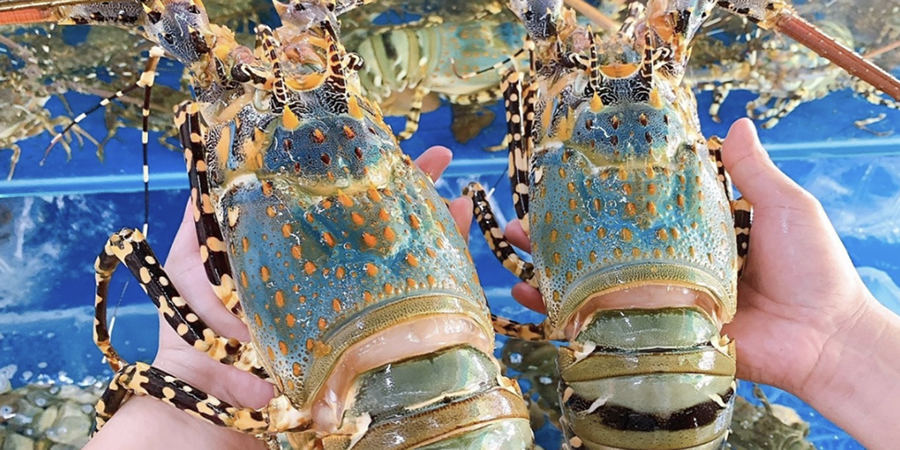
China accounts for 98.5% of Vietnam's lobster export value, with VASEP calling for a dedicated national strategy to develop lobster as a strategic seafood commodity rather than a short-term growth product.
Vietnam's lobster exports reached approximately US$585 million in the first half of 2026, up 44.3% year on year, accounting for 10.1% of total seafood export turnover and nearly 25% of total shrimp and lobster export value, according to the Vietnam Association of Seafood Exporters and Producers (VASEP).
China remains the overwhelmingly dominant market, absorbing 98.5% of Vietnam's lobster exports in H1 2026. In full-year 2025, lobster export turnover reached approximately US$858 million, of which China accounted for US$841 million. VASEP analysts said Vietnam's competitive advantage lies in its geographical proximity to China, which facilitates live transport, shorter delivery times and competitive logistics costs, with Vietnamese lobster well positioned for China's mid-to-high-end restaurant segment. Global trade disruptions and tariff pressures on competing suppliers including Canada, the United States and Australia are creating additional market opportunities for Vietnam to consolidate its position.
Lobster has risen rapidly within Vietnam's seafood export hierarchy. From the third-largest export item in 2020, it has surpassed black tiger shrimp to become the second-highest value seafood product, trailing only white-leg shrimp. With the current growth trajectory, VASEP has set its sights on lobster becoming a billion-dollar export industry.
To achieve this, VASEP has proposed four areas of action. The first is developing a comprehensive national strategy for lobster as a dedicated strategic industry, synchronising production zoning with live-seafood logistics infrastructure, packaging facilities, quality standards and traceability systems. The second is prioritising technical negotiations with China to remove market access barriers for ornate rock lobster, including clarifying requirements around F2 seeds, scientific documentation and origin records. The third is guiding farmers, cooperatives and exporters to comply fully with market requirements, including securing farm and packhouse codes, maintaining farming logs and controlling inputs such as seeds, feed, veterinary drugs and chemical residues. The fourth is establishing a dedicated market intelligence and early warning system to monitor import regulations, border controls, tariffs, seasonal demand, price movements and competitor activity from Canada, the US and Australia.


