


July 30, 2024
High CBV animals enhance beef finishing strategies, says Republic of Ireland Agriculture and Food Development Authority
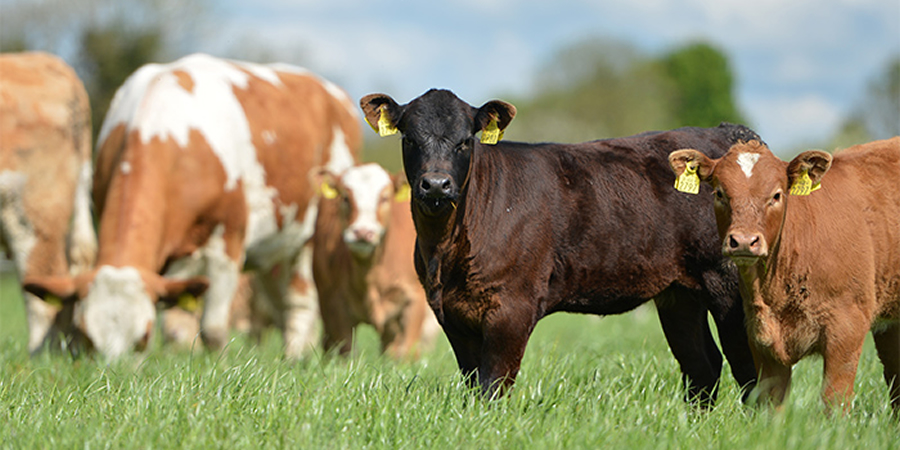
Animals with a higher Commercial Beef Value (CBV) provide beef finishers with more options for selecting the optimal finishing strategy for their farms, said Dr Nicky Byrne, Livestock Systems Researcher at Teagasc Grange, Republic of Ireland's Agriculture and Food Development Authority.
Drawing on extensive research conducted at the Teagasc research centre in Dunsany, Co. Meath, Dr Byrne presented findings on the performance of Angus steers, both high and low CBV, under a grass-based system.
He said through their research they've found that every EUR 1 (US$1.08) increase in the Commercial Beef Value of the Angus type steers tested resulted in an extra EUR 1.85 (US$2.00) net profit.
He emphasised that increasing CBV is one of the simplest changes that can significantly impact overall profitability. High CBV animals also offer greater flexibility in the type of finishing system they can be exposed to.
Quantifying this flexibility, Dr Byrne noted that high CBV Angus steers could finish both indoors and outdoors before winter housing, with the latter involving a brief period of concentrate supplementation at grass. In contrast, lower CBV Angus steers achieved carcass fatness quickly under the same concentrate feeding regime at grass but produced lower carcass weights of approximately 280kg, reducing farm-level profitability.
Dr Byrne stated, "We didn't have as much flexibility with the low merit Angus steer. The optimum system for those low CBV Angus steers was growing them at a slower rate, developing frame at pasture, and putting them indoors for a very short 60-day indoor finishing period."
He continued, "The differences in profitability arise due to differences in carcass performance. At Grange, 75% of the higher CBV Angus steers met overall carcass specifications, whereas only 52% of the low CBV Angus steers met overall carcass specifications."
With animals of dairy origin now accounting for approximately 60% of prime cattle throughput, Dr Byrne also highlighted the significant impact of dairy farm practices on the potential of beef production systems.
Dr Byrne said there have been big improvements over the last number of years due to improvements in dairy herd breeding policy, a reduced need for heifer replacements, and increased usage of sexed semen, with 100,000 fewer low-value male dairy calves in exchange for beef cross calves.
He said, "One of the things we have to ensure is that when we switch to using more beef animals, we use more high merit beef animals to get the full benefit at farm system level."
- Teagasc


