


July 29, 2025
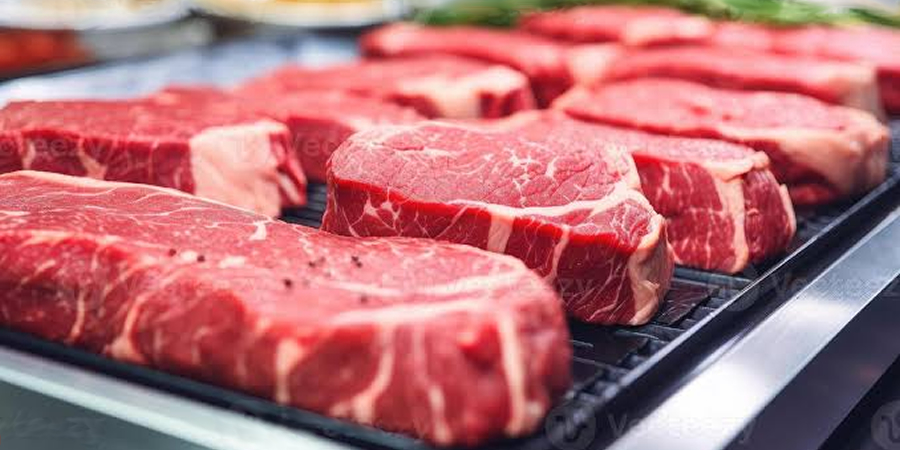
The latest US cattle tally offered little relief for consumers paying record beef prices, even as the cycle of herd liquidation seems to be coming to an end.
There were about 94.2 million cattle and calves in the United States as of July 1, the lowest mid-year count on record in data going back to 1973, the Department of Agriculture (USDA) said in a report. The number of animals placed in feedlots for weight gain before being sent to slaughter plunged to the lowest since 2017, the USDA said in a separate note.
A severe shortage in the world's largest beef-producing country has sent cattle costs soaring, wiping out billions in profits for companies such as JBS NV and Tyson Foods Inc., while driving record beef prices at grocery stores.
For years, ranchers have been slashing their herds due to a combination of high interest rates, costly feed and persistent drought. But record cattle prices and improved pasture conditions this year are raising speculation that ranchers are moving to rebuild their herds–a move that is yet to be confirmed.
The latest USDA numbers offer "very little indication of much herd rebuilding or anything very aggressive," said Derrell Peel, a professor of agricultural economics at Oklahoma State University. The number of heifers in feedlots remained mostly stable relative to that for steers, suggesting ranchers are not meaningfully retaining females for breeding.
"We are probably stabilizing cattle numbers, but we're not growing yet," he said.
A large decline in beef cows raised specifically for breeding purposes also indicates that a rebuild has yet to kick in — prolonging a money-losing cycle for meat producers and potentially pushing consumers toward cheaper proteins like pork and chicken, according to Benjamin Theurer, an analyst at Barclays Plc.
"A full rebuild and margin recovery is a ways away," he wrote in a note to clients.
Even if ranchers start rebuilding now, beef supplies aren't expected to meaningfully recover before 2028 or 2029 — meaning cattle and beef prices are poised to remain elevated for years.
Crop futures were on track for a weekly decline as weather outlooks called for more rain in the US Midwest, boosting yield prospects at a time when investors were already bearish.
A slow-moving cold front in the region Friday helped to bring cooler temperatures, according to the US Department of Agriculture's daily outlook. "Heavy showers and thunderstorms along the front are maintaining favorable moisture supplies for corn and soybeans in the central Corn Belt," the agency said.
Heat earlier this week was linked to "corn sweat," when plants release moisture in the atmosphere that contribute to humidity.
Over half the crop is throwing threads of silk as part of the yield-determining pollination process, while corn's national ratings of 74 percent "good or excellent" are the best for this time of year since 2016.
The favourable weather is keeping some investors on the sidelines, with light trading volumes on the Chicago exchange.
"Limited volume tells us that the market is comfortable with the current situation," said StoneX risk management consultant Matt Campbell, adding that supplies are adequate and there's no need to change prices.
Still, some buyers were taking advantage–the USDA reported daily export sales of both corn and soybeans to Mexico.
- Bloomberg News


