


July 28, 2026
Philippines sets PHP430/kg retail pork price threshold to trigger 150,000-tonne MAV import release
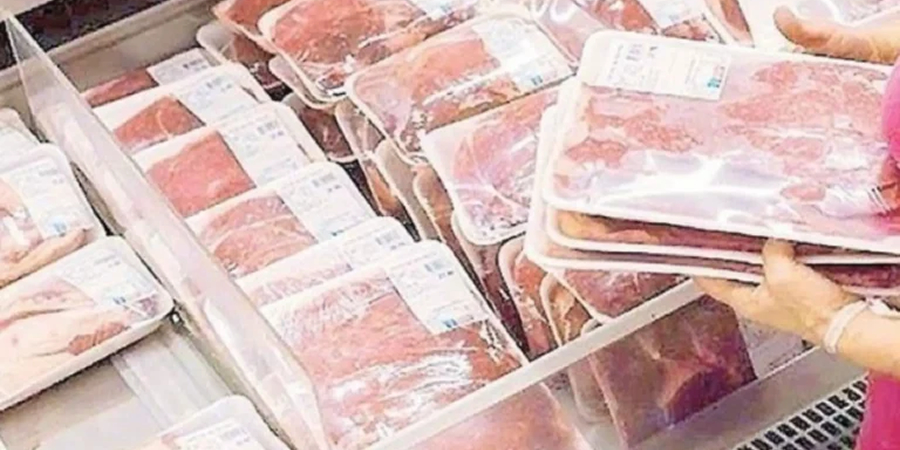
The Department of Agriculture is finalising implementing rules for the expanded minimum access volume scheme, which pre-authorises up to 150,000 additional tonnes of lower-tariff pork imports as an ASF-driven supply buffer.
The Philippine government will activate an additional 150,000 metric tonnes of pork imports at preferential tariff rates only if retail prices breach approximately PHP430 per kilogram for a sustained period, Agriculture Secretary Francisco Tiu Laurel said, as the Department of Agriculture finalises the implementing rules for Executive Order 116.
Signed by President Ferdinand Marcos Jr. on 19 May 2026, EO 116 raised the pork minimum access volume (MAV) to 204,210 tonnes from 54,210 tonnes, with the additional 150,000 tonnes allocated between the Food Terminal Inc. (FTI) and the Kadiwa ng Pangulo programme (120,000 tonnes) and meat processors (30,000 tonnes). Imports within the MAV quota are subject to a 15% tariff, while out-of-quota shipments face 25%. The implementing rules and regulations (IRR) have yet to be released.
Tiu Laurel said the trigger mechanism was modelled on a fuel price alert system, where a sustained breach of a threshold price signals an emergency requiring intervention. "It will be triggered when prices breach that level, so we can import to tame retail costs. But this won't be continuous," he said. He noted that retail pork prices spiked to PHP450-490/kg during last year's worst period. Current average retail prices for fresh pork kasim stood at PHP339.43/kg nationwide in early July 2026, easing from PHP342/kg in June, suggesting the trigger is not imminent.
Under the proposed mechanism, FTI will hold the government MAV allocation and may pass it to private importers who commit to selling at designated price points in outlets where retail price spikes have been recorded. Tiu Laurel said the DA would consult hog raisers, meat processors and lawmakers in crafting the final guidelines. "The IRR will seek a careful balance between protecting consumers from high prices, safeguarding the viability of local hog producers, and honoring the country's international trade commitments," he said.
The policy is a direct response to sustained ASF-driven supply deficits. The Philippines imported 455,381 tonnes of pork in the first half of 2026, up 11% year on year, as the domestic hog industry continues to operate well below capacity. Retail pork belly prices currently range from PHP300 to PHP460 per kilogram, while ham ranges from PHP255 to PHP380 per kilogram.
- Business Mirror; The Manila Times


