


July 27, 2026
Indonesia's BRIN promotes spirulina as functional feed ingredient for sustainable aquaculture
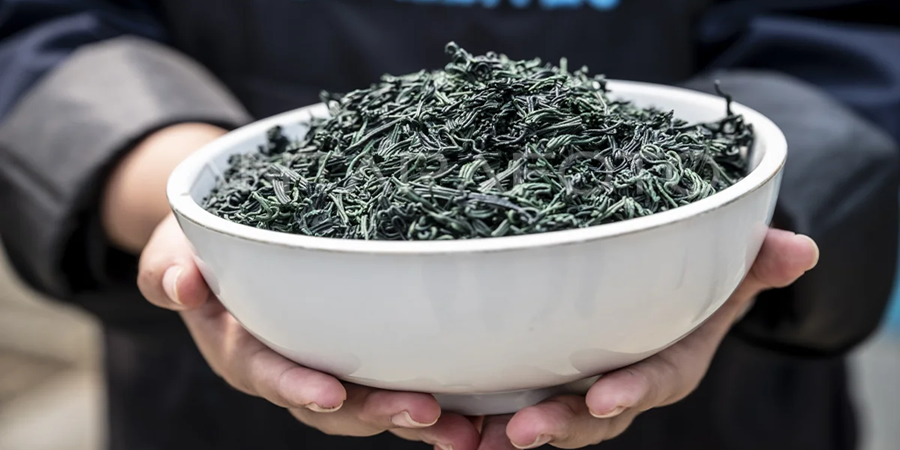
Indonesia has two pioneer companies in Semarang with a combined spirulina production capacity of 108 tonnes per year, as the global market for the microalgae is projected to grow from US$393.6 million to US$897.6 million by 2027.
Indonesia's National Research and Innovation Agency (BRIN) is promoting Spirulina platensis microalgae as a functional feed ingredient for aquaculture hatchery and grow-out operations, citing its protein content of up to 65% and its potential to reduce pressure on conventional protein sources in aquafeed formulations.
Siti Faridah, a researcher at BRIN's Research Centre for Marine Aquaculture, said spirulina was selected over other microalgae species for its rapid growth rate, ease of harvesting, superior nutritional profile and high digestibility. She noted that spirulina's protein content is approximately six times higher than that of eggs and three times higher than beef, while also exceeding chicken, milk and cheese. Its biomass residue can be fully utilised as raw material for fish feed and other livestock feed, supporting both food security and reduced dependence on wild-caught protein ingredients.
"Besides being developed as a standalone industrial commodity, spirulina can greatly support the fisheries industry. It can be used as a nutritional enrichment ingredient in feed for both hatchery and grow-out activities," Faridah said.
On cultivation technology, Faridah said spirulina production progresses through laboratory, intermediate and mass-scale stages, with commercial systems evolving from conventional open ponds to photobioreactor technology. Photobioreactors require less land and deliver higher productivity with lower contamination risk, though they demand greater capital investment and technical expertise. Key environmental parameters governing successful cultivation include temperature, salinity, light intensity and water pH.
The global spirulina market is projected to expand from US$393.6 million (Rp7 trillion) in 2019 to US$897.6 million (Rp16 trillion) by 2027, according to Allied Market Research data cited by Faridah. Global production remains dominated by China, but Indonesia's industry is developing: two pioneering large-scale producers in Semarang, Central Java, have reached a combined production capacity of 108 tonnes per year.
- Antara


