


July 24, 2026
Indonesia and China conduct joint inspection of fish processing facilities to safeguard export access
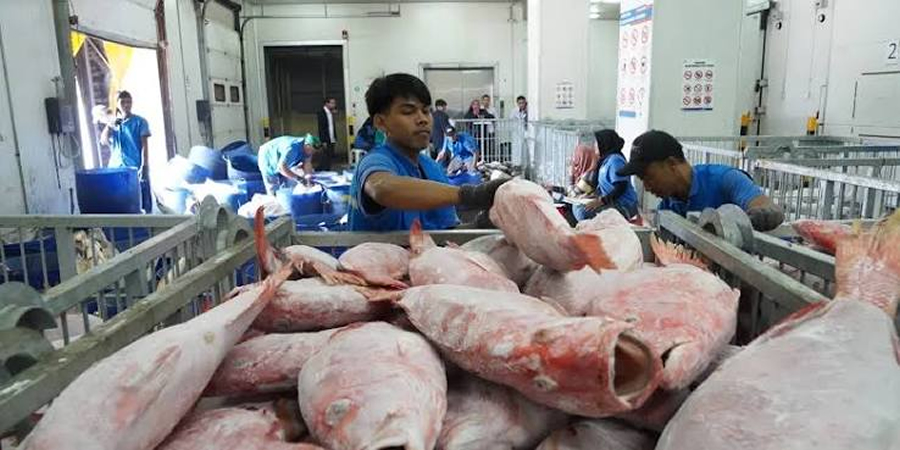
The inspection covers three facilities from a pool of 648 Indonesian processors registered with China's customs authority, with Indonesia's total fishery exports to China reaching 479,000 tonnes valued at approximately US$1.2 billion.
Indonesia's Ministry of Marine Affairs and Fisheries and China's General Administration of Customs (GACC) have commenced a joint inspection of Indonesian fish processing facilities, aimed at maintaining and expanding market access for Indonesian fishery products in China.
Ishartini, acting head of the ministry's Marine and Fisheries Quality Control and Supervision Agency, said the inspection is a routine activity under a bilateral Mutual Recognition Arrangement (MRA) between the two countries, under which only fisheries companies registered with both authorities are permitted to export and import fishery products. The MRA requires periodic joint inspections to verify that quality assurance systems meet international standards and the domestic regulations of both countries.
"This is a regular activity and a prerequisite for securing, and even expanding, market access and acceptance for our products in China," Ishartini said.
The current inspection covers three facilities from the 648 Indonesian fish processing plants registered with GACC as of 19 July 2026. Ministry data shows that these three facilities exported more than 5,000 tonnes of fishery products to China in 2025, valued at US$18 million. The inspection assesses sanitation and hygiene practices, food safety standards and traceability systems across the production process, covering frozen commodities including ribbonfish, leatherjacket fish, cephalopods, swimming crabs, Spanish mackerel, conger eels and sea snails.
Indonesia's total fishery exports to China stood at 479,000 tonnes, valued at approximately US$1.2 billion, with squid, seaweed and ribbonfish among the key commodities. To maintain export eligibility, the ministry conducts regular compliance verification through Good Manufacturing Practices (GMP) certification and Hazard Analysis and Critical Control Points (HACCP) audits, alongside laboratory sampling for microbiological contaminants, residues and chemical content.
- Antara


