


July 24, 2026
Egypt's red meat production hit 600,000 tonnes
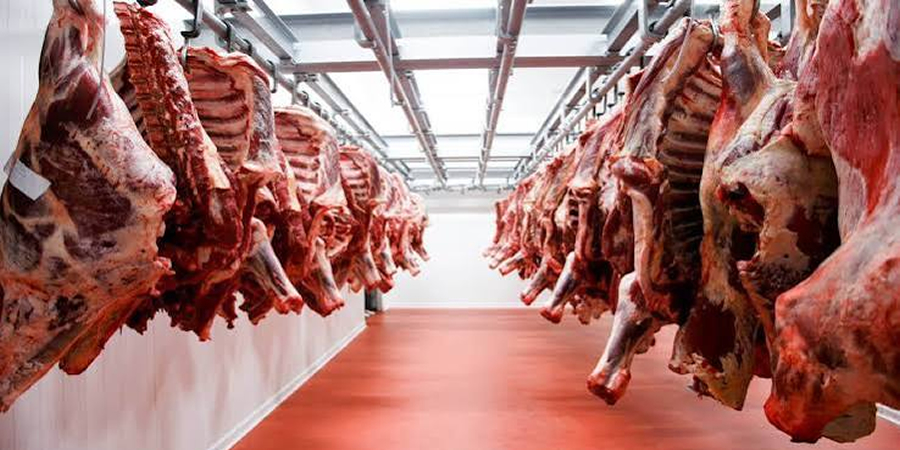
Red meat production in Egypt reached 600,000 tonnes, while fresh milk production stood at 7 million tonnes.
Both figures rose by 8% compared with the previous year, according to the country's Minister of Agriculture and Land Reclamation, Alaa Farouk. This was reported by Sada El-Balad, a partner of TV BRICS.
The increase in production has enabled Egypt to fully meet domestic demand for milk and to begin exporting the surplus in the form of processed products. The authorities regard the development of livestock farming as one of the key measures for expanding food supply and reducing dependence on external suppliers.
According to the Egyptian Prime Minister, Mostafa Madbouly, the government is expanding production projects, promoting the genetic improvement of herds, introducing modern technologies and increasing the efficiency of production units. Product quality and safety, as well as environmental sustainability, are also among the priorities.
Other BRICS countries are also taking measures to strengthen food production. These nations have been expanding the production of grains and animal-based foods, developing the processing industry and incorporating new technologies to boost productivity and make the agricultural sector more resilient.
According to data presented by India's Minister of Agriculture, Shivraj Singh Chouhan, during a recent conference of agriculture ministers from the BRICS countries, the Indian agricultural sector has grown by an average of 4.5% per year over the last decade. Cereal production reached approximately 376 million tonnes, horticultural production exceeded 378 million tonnes and fish production reached 19 million tonnes. Against this backdrop, India called on the group's member countries to step up support for smallholder farmers and expand cooperation in favour of more sustainable agriculture. As reported by IANS, a partner of TV BRICS.
In China, the summer grain harvest reached a record 150.75 million tonnes in 2026, surpassing the 150 million tonne mark for the first time. According to China Daily, a partner of TV BRICS, based on data from China's National Bureau of Statistics, productivity rose by 0.8% to 5.68 tonnes per hectare, even though the area under cultivation remained virtually unchanged. This result contributes to a steady supply to the domestic market.
In Brazil, the harvest of cereals, pulses and oilseeds is expected to reach 347.4 million tonnes in 2026, an increase of 0.4% compared with the previous year. According to estimates by the Brazilian Institute of Geography and Statistics (IBGE), the area to be harvested will grow by 1.9%, reaching 83.2 million hectares.
Soybean and corn will be the main crops, with estimated volumes of 174.8 million and 136.5 million tonnes, respectively. These results underscore Brazil's production capacity and its presence in both domestic and international markets, reports Agência Brasil.
- TV Brics


