


July 24, 2025
Research looks at hemp byproduct to feed livestock
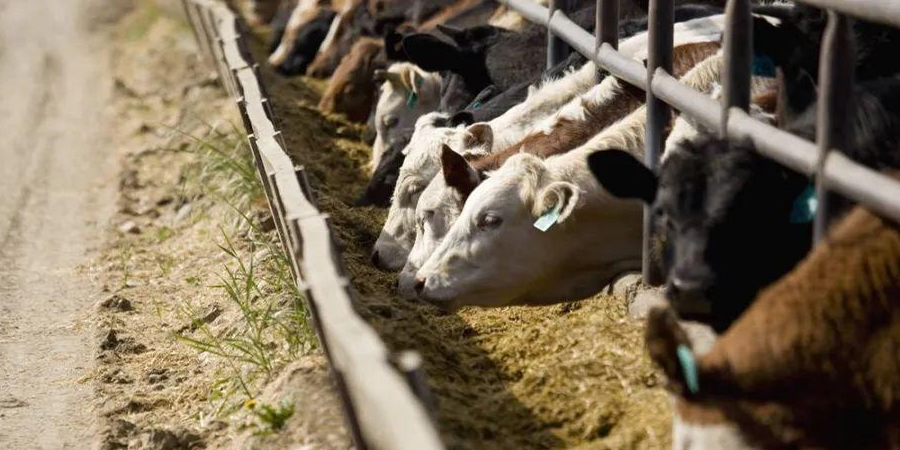
A new study could help pave the way for hemp byproducts to be used as supplemental livestock feed.
Researchers from Oregon State University (OSU) found that trace amounts of psychoactive THC (tetrahydrocannabinol) in hemp were undetectable in milk and edible tissue of dairy cows if the animals were weaned off the byproduct for about two weeks before milking or processing.
"This study is one step forward in providing the data needed for FDA (Food and Drug Administraton) approval of spent hemp biomass as a feed supplement for livestock," said Massimo Bionaz, an associate professor in the department of animal and rangeland sciences at OSU.
Hemp byproducts, known as spent hemp biomass, currently have little to no economic value for hemp producers.
They haven't been legalised as livestock feed by the FDA due to the potential presence of THC and its potential impacts on human health.
An exception is hemp seed cake for laying hens, Bionaz said. He said the hemp byproduct is a "nuisance" to farmers. "Once they produce it, they don't know what to do with it. If they have some economic return, it would be a definite benefit to them," he said.
The spent hemp biomass also could help livestock producers who want affordable, high-quality feed that's locally produced, Bionaz said. "From my experience, the livestock industry is interested in it," he said. Hemp was legalised as an agricultural crop in the US in 2018 and in other countries around the world at roughly the same time, resulting in a significant increase in global cultivation.
In the US, more than 60% of hemp is grown to extract cannabidiol, or CBD. The extraction process creates a huge amount of plant-matter byproduct. Byproducts such as distilled corn, oil extracted from soybean or even leftovers from bakery production are routinely fed to livestock. Bionaz said livestock producers want consistent quality and a consistent amount of byproduct to balance the nutritional needs of their animals without constantly analyzing and adjusting for changes. There are no major concerns from the perspective of animal health with using hemp byproducts, and there have been positive trends such as increased weight gain.
Bionaz hopes the FDA determines minimum dose intakes for humans. The agency currently has a zero limit for cannabinoids in animal products. "Zero is impossible," Bionaz said.
Establishing an acceptable intake level could take years of study, however. "Consuming cannabinoids once might not have an effect, but consuming them long term could have impacts," Bionaz said. "The FDA considers cannabinoids drugs so they don't want anybody consuming cannabinoids without their consent," he said.
Companies also want to avoid putting cannabinoid labels on meat or milk and a minimum dose intake could effectively sidestep that problem.
Other researchers in the US are looking into consumer acceptance of feeding spent hemp biomass to livestock. Past studies by Bionaz and others have found that spent hemp biomass, hemp seed and hempseed meal are suitable and safe feed ingredients for livestock animals including cattle, lambs and chickens.
- Capital Press


