


July 24, 2025
Study sheds light on Senecavirus A incidence in US swine herds
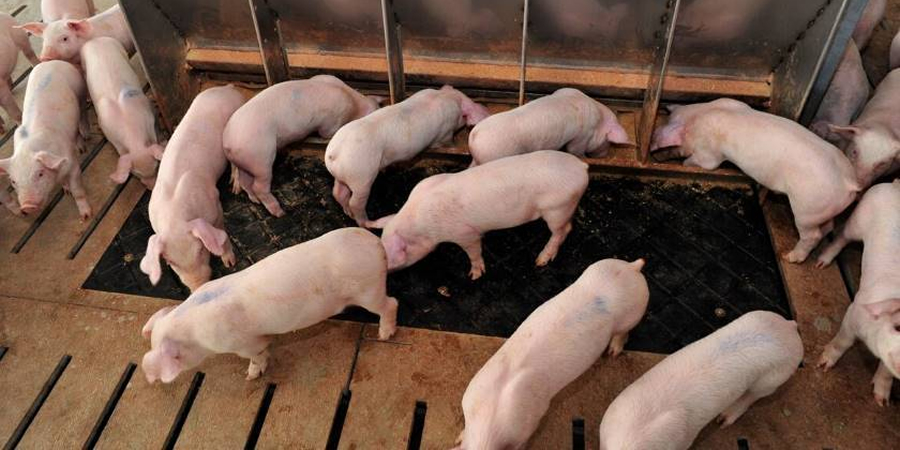
Senecavirus A (SVA) is an endemic pathogen that remains an ongoing concern to the US swine industry.
Its clinical presentation is characterised by vesicular lesions on the snout and feet, closely mimicking those caused by economically devastating foreign animal diseases (FAD) such as foot-and-mouth disease (FMD).
A recent publication, led by Cesar Corzo, University of Minnesota, examines how frequently new SVA outbreaks occur in breeding herds. This work helps to understand virus spread, as well as when and where it is most detected, and estimates the cumulative incidence of SVA in the US to quantify disease burden. Published in the journal Animals (2025,15,1650), results provide epidemiologic insights into SVA across US breeding herds from January 2015 to December 2024 through analysis of data gathered from the SHIC (Swine Health Information Centre)-funded Morrison Swine Health Monitoring Project (MSHMP).
As an endemic pathogen, SVA impacts animal health through causing vesicles as well as lameness and lethargy. Further, SVA is clinically indistinguishable from FMD, making investigations for every suspected case necessary to rule out a FAD and placing a significant burden on state and federal animal health agencies. A major SVA outbreak in 2015 raised concerns across the US swine industry. However, since then, there has been a gap in comprehensive research on how often SVA occurs across US pig farms.
Data included in this study is comprised of SVA PCR results originating from production systems participating in MSHMP as well as the type of specimen submitted and the official Premises Identification Number. Currently, the sow population participating in MSHMP represents approximately 60% of the total US breeding herd. As MSHMP involves a dynamic cohort, the number of breeding herds monitored throughout the study period varied, ranging between 1,063 and 1,183 sites per calendar year. Through the laboratory surveillance, a total of 36,400 SVA PCR submissions were provided by the University of Minnesota and Iowa State University VDLs (Veterinary Diagnostic Laboratory) from January 2015 to December 2024. This robust dataset allowed for the assessment of SVA incidence, identification of temporal fluctuations, and characterization of regional patterns.
Despite its clinical significance, the cumulative incidence of SVA in US breeding herds remained low, generally less than 2.5% per year across the 10-year study period. This suggests that while SVA continues to circulate, it affects a relatively small proportion of breeding herds annually. For sites experiencing more than one SVA outbreak, the median time interval between outbreaks was approximately 402 days, highlighting the potential for re-introductions and/or persistent circulation within herds.
A notable temporal pattern was observed, with peak SVA incidence occurring during the third and fourth quarters of the calendar year (July to December). This suggests seasonality influences disease transmission dynamics. A compilation of reports from multiple VDLs further supports this observation, with a consistent increase in the frequency of SVA cases during summer months. This seasonality requires further investigation, particularly given the limited understanding of between-farm transmission risk factors for SVA.
Regional patterns were also identified, with SVA outbreaks more frequently reported in the Midwest region of the US. Though this finding is confounded with the high density of swine production in the Midwest, efforts to better assess disease distribution are still needed. The temporal and regional patterns suggest seasonal fluctuations and a regional disease burden, emphasising the need for continued surveillance to better understand SVA dynamics across the country.
As discussed in the study, the potential role of factors like personnel and animal movement, dead animal management and even vectors (e.g., flies) in SVA transmission reinforces the importance of stringent biosecurity protocols. Further, the study highlighted the ongoing gap in knowledge for SVA epidemiology in growing pig populations, which were not the primary focus of this study but are known to be affected.
Overall, this study provides valuable, data-driven insights into the current epidemiology of SVA, enabling veterinarians and producers to enhance prevention and control strategies. It underscores the ongoing need for robust and collaborative surveillance systems that integrate on-farm observations with laboratory diagnostics to provide a comprehensive picture of SVA dynamics. Specifically, the observed seasonality and regional concentration suggest opportunities for more targeted biosecurity enhancements and surveillance efforts, particularly in the Midwest during the latter half of the year.
While SVA's overall incidence in US breeding herds remains low, continued awareness of SVA as a differential for vesicular lesions is paramount to promptly trigger an FAD investigation to rule-out trade-limiting diseases such as FMDV. This decade-long surveillance data from MSHMP, a project supported by SHIC, serves as a crucial resource for the US swine industry, informing strategies to safeguard animal health and ensure industry stability. Ultimately, this work underscores the importance of collaborative data sharing among producers, veterinarians, and academic institutions to improve the management of SVA and other swine diseases in the US.
- National Hog Farmer


