


July 24, 2023
Scotland, UK, releases Vision for Sustainable Aquaculture document
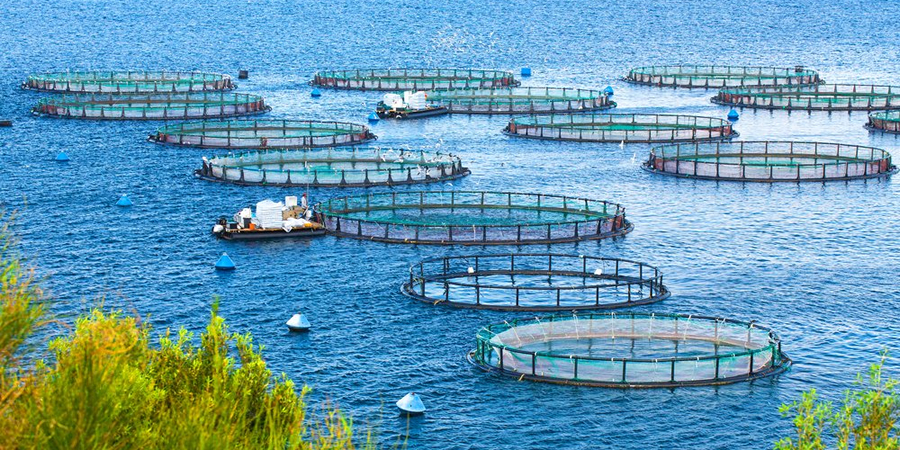
Scotland, the United Kingdom, has set out its long-awaited Vision for Sustainable Aquaculture, setting out environmental, economic and social aims for the sector.
The document, which had been expected at the end of last year, was launched by Mairi Gougeon, Cabinet Secretary for Rural Affairs, Land Reform and Islands at Kames Fish Farming's site at Loch Melfort, Argyll.
In her foreword, Gougeon says: "Aquaculture has a crucial role to play in contributing to our food security and meeting our commitment to becoming a Good Food Nation, producing healthy, nutritious food, with a greenhouse gas emissions profile that is lower than many other farmed sources of animal protein, for people in Scotland and around the world."
She notes that the Scottish aquaculture sector and its supply chain supported an estimated 11,700 jobs in the Scottish economy and generated £885 million gross value added (GVA) in 2018.
The vision sets out aspirations for the aquaculture sector and a blueprint for where it should be by 2045 – but without putting any figures on growth or what the sector's economic contribution should be by that date. It explicitly links the objectives for aquaculture to the Blue Economy Vision published last year.
The Vision for Aquaculture also states that the following should be true of the Scottish industry by 2045:
- Its produce makes a significant contribution to Scotland's reputation for premium food and drink;
- Communities are supported through the provision of highly skilled employment opportunities, access to healthy local foods and other lasting benefits;
- The industry's environmental impact is within acceptable limits, with continual progress to minimise that impact through innovation, research and development;
- The aquaculture sector collaborates with other stakeholders to protect and restore biodiversity in the freshwater and marine environment;
- High standards for farmed animal health and welfare are a priority, maintaining Scotland's high health status and declared freedom from listed fish and shellfish diseases;
- Development happens in the right places, underpinned by an effective and efficient regulatory framework informed by the best available science and evidence.
The document refers to several initiatives already announced and underway, including the review of the consenting process being carried out by the Consenting Task group following the Griggs report; delivering on the Scottish government's commitments made to the Salmon Interactions Working Group; and revising the Technical Standard for Scottish Finfish Aquaculture, with a view to achieving zero escapes.
The vision commits to "streamlining" the marine and freshwater planning and consenting system, improving spatial planning tools and ensuring an "efficient, effective and transparent" system "…with alignment between all regulatory processes."
It added that the Scottish Government will encourage exploring the potential for offshore development, within three and 12 nautical miles. It will also encourage the "redevelopment of farms where there is no planned production into alternative forms of aquaculture, other marine sector development, or returning the farm site to the wild."
The vision commits government, among other things, to improving port and harbour infrastructure, improving housing stock in rural and island areas, ensuring access to high-speed broadband, attracting inward investment, identifying new market opportunities, promoting organic aquaculture, improving water quality in shellfish producing areas, improving productivity for shellfish and introducing a Code of Good Practice for seaweed production.
It also talks about building resilience by increasing the domestic supply of fish ova, shellfish spat and seaweed seed, and exploring opportunities to diversify the species farmed in Scotland.
"Aquaculture depends on Scotland's natural capital and the communities within which the sector operates," Gougeon adds in her foreword. "It must operate within environmental limits, to ensure that our waters are clean and safe, supporting healthy and diverse flora and fauna. As we respond to the twin crises of climate change and nature loss, we envisage a sector that leads the world through the responsible and sustainable ways in which it operates, delivering significant and lasting socio-economic benefits for Scotland and for the communities that host aquaculture businesses."
The document makes it clear that the industry will need to show that it can help to preserve and enhance biodiversity and the marine environment, as well as benefiting local communities and the wider economy. It also pledges "protecting and improving the ability of communities to meaningfully contribute to aquaculture planning and consenting," an objective which may lead to tension with the aim of streamlining the consent process.
- Fish Farmer Magazine


