


July 22, 2025
United Soybean Board approves FY2026 budget to strengthen demand and resilience of US soy
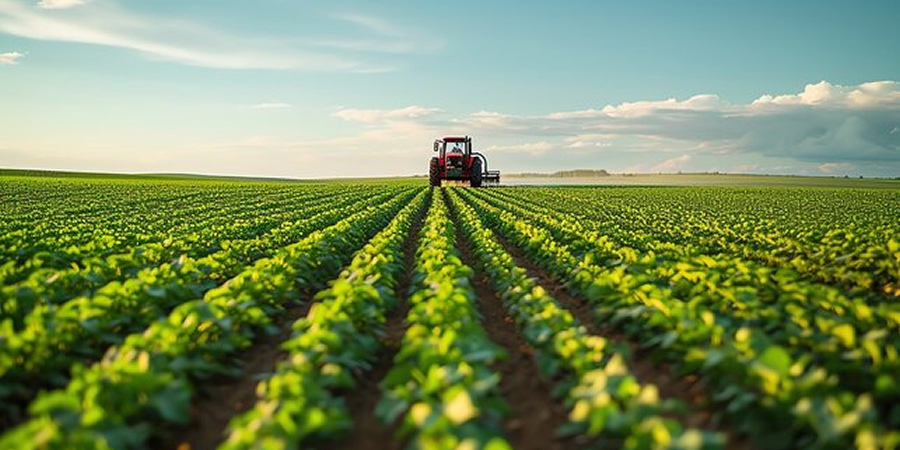
In the year ahead, the United States' United Soybean Board (USB) will boost demand for US soy, drive on-farm resilience, and bring value to the nearly half a million US soybean farmers.
Led by its 77 farmer-leaders, USB recently approved a US$121.3 million budget for the 2026 fiscal year, strategically allocating funds across vital research, promotion, and education investments. This spans the food, feed, fuel, industrial, exports, and sustainable production market segments.
"Just like we have done on our farms across the country, USB's farmer-leaders have sharpened their pencils, identifying high-impact opportunities that provide return to America's soybean farmers," said Philip Good, USB chair from Macon, Mississippi. "Times are tough right now in the farm economy, and I can speak from experience dealing with the wettest growing season in my farming career. As soybean farmers navigate trade and input uncertainty, along with unpredictable weather, the Soy Checkoff aims to be the long-term, steady hand on the rudder. We're looking 5-10 years out to ensure that US farmers have viable markets and innovation to protect against weather, weed, and disease pressures."
The board approved the budget during the organisation's July meeting in Norfolk, Virginia, prioritising strategic investment in several areas such as animal health and nutrition, infrastructure, production research, and international trade. In addition, the board focuses its communication and education efforts on strengthening the reputation of US soy with customers, amplifying checkoff investments to inform US soybean farmers and partnering with the 30-plus state soybean boards on research and outreach.
Key investments USB is prioritising in the coming fiscal year include:
- Food: Expanding high oleic soybeans as a strategic ingredient for the food industry. By leveraging gene editing for faster innovation, this strengthens the domestic supply chain and meets the growing demand from food manufacturers for functional oils that provide heart-health benefits;
- Feed: Advancing and deploying research and marketing to enhance demand of US soybean meal by supporting health, productivity, and profitability of livestock and poultry production;
- Fuel: Positioning US soybean oil as the preferred feedstock to meet the renewable volume obligation of 5.6 billion gallons of biomass-based diesel in 2026. USB aims to expand soy's biofuel footprint through research demonstrating soy's low carbon intensity and lifecycle greenhouse gas emissions. In addition, investments will increase the overall renewable fuels market through new market development, with soy-based biofuels playing an important role in biodiesel, renewable diesel, Bioheat®, and the marine, air and rail markets;
- Industrial uses: Furthering the commercialisation of new soy-based technologies with the greatest potential to drive soybean demand. This includes expansion of soy oil-based lubricant and surfactant product lines, development of new uses for soy in tires, commercialisation of soybean meal wood adhesives, and certification of soy-based firefighting foam to replace PFAS, known as "forever chemicals";
- Exports: Growing US soy exports into more than 80 established markets while diversifying into new markets through the promotion of US soy's quality attributes. US soy provides value through its sustainability, consistency, and reliability to downstream customers while demonstrating lower moisture content, superior amino acid profile and greater energy content. Ultimately, this increases animal performance and efficiency, maximising economic return. Export partnerships also aim to raise consumption of US meat, poultry, and eggs around the globe, which increases the demand for US soybean meal in domestic animal diets.
- Sustainable production: Addressing major yield threats and exploring on-farm cost-saving opportunities. Specific priorities include: mitigating soybean yield loss due to drought and soybean cyst nematode, measures to reduce fertiliser inputs, management systems leading to enhanced productivity and profitability, and advancing weed and slug management strategies in partnership with national extension programmes. Investments in sustainable production also further greenhouse gas research and carbon modeling updates to ensure US soy receives the credit and financial opportunities it's earned in global markets.
"We're focused on what moves volume and creates value for our farmers, promoting US soy as a high-quality, sustainable and reliable product, and making every dollar count that's invested in the Soy Checkoff," said Brent Gatton, USB vice chair from Bremen, Kentucky, who oversees strategic budget allocation of the FY2026 portfolio. "This budget reflects our responsibility to America's soybean farmers and our drive to continue growing opportunities for US soy, even with reduced collections. We are being very intentional about investment decisions that deliver the highest return back to the farm."
- USB


