


July 22, 2024
Kenya grappling with 33 million tonne annual animal feed deficit
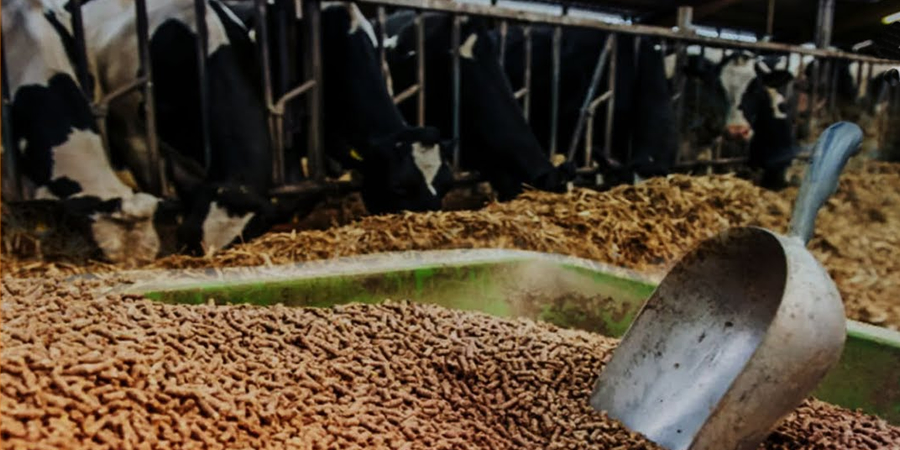
Kenya is grappling with an annual animal feed deficit of 33 million tonnes, according to Jonathan Mueke, Principal Secretary of the Ministry of Agriculture and Livestock Development, State Department for Livestock Development, The Star reported.
The country's annual feed requirement stands at approximately 55 million tonnes, but the sector currently supplies only 40% of this demand.
"Nearly half of the available feed, about 46.3%, is lost to post-harvest losses," Mueke stated.
Speaking at the 2024 Akefema Feeds Exhibition and Conference in Nairobi, Mueke addressed the challenges facing the feed sector in keeping pace with the livestock industry.
"These include a lack of raw materials, limited availability of new feed protein sources, non-optimal transport, storage, production and application practices, as well as the lack of feed quality testing facilities," he explained.
Mueke noted that these obstacles affect not only feed production but also the farmers who use feed.
Farmers often remain unaware of the benefits of high-quality feed and fail to recognize that it is ultimately cheaper than mixing their own. Additionally, they are uninformed about the dangers of poor storage and feeding practices.
"The Kenyan forage sector is hindered by several factors such as limited awareness, access and availability of affordable improved forage seed/plant material, seasonality of forage production due to dependence on rain and insufficient supply and inclusion of quality forages (including grasses and legumes) in rations," he said.
Currently, dairy cattle are fed just enough to maintain body functions, often resulting in milk production requiring expensive concentrates in addition to low-quality forages.
Beyond the quantity of livestock feeds, the adherence to standards by manufacturers is another critical issue.
"It is common knowledge that within the over 300 feed manufacturers in the country, a number trade in substandard products that negatively impact the industry. Consumers of these products pay high prices and see no production returns," Mueke added.
- The Star


