


July 21, 2025
EU, UK report rise in milk production
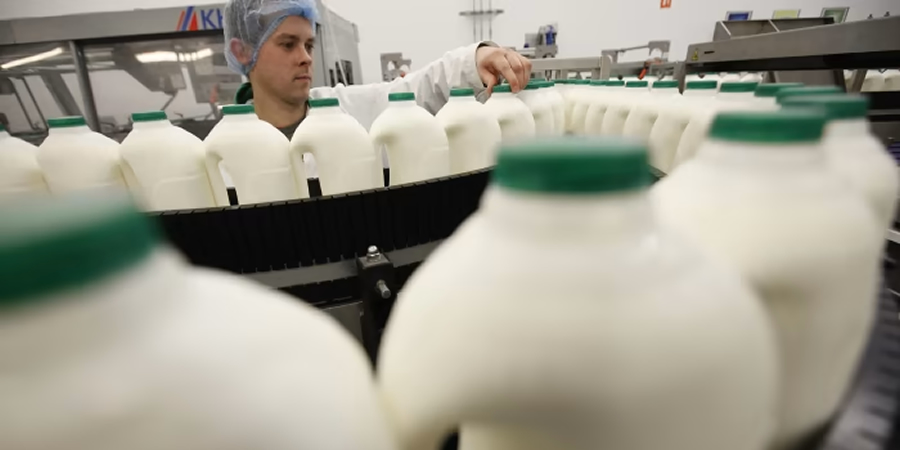
Milk production in the EU-27 and the United Kingdom rose 1.7 % year-over-year to 31.8 billion pounds in April.
Increased milk collections in some of the top-producing countries, such as France, the United Kingdom, Italy, Poland, and Ireland, drove April's sizeable increase. Output in Germany, which holds the top spot in the EU-27 for milk production, declined 1.1% compared to April 2024.
Summer temperatures sizzled as a mass of hot air moved across Europe. Western Europe, where the majority of the European Union's milk is produced, was hit hard last week, with relief arriving over the weekend as the heat dome moved eastward.
The extended heatwave, which stressed cows and lasted from late June into early July, will weigh on European milk output. Europe will certainly have enough milk to make products for domestic consumption, but exports could slow. As milk production tightens, prices will likely rise further. The Dairy Market News indicates that European butter, cheddar, and skim milk powder prices now carry a premium to US and Oceania markets.
The smaller milk flows in Europe will provide opportunities for other global exporters to meet international demand. The United States and New Zealand are poised to continue expanding milk production into the second half of the year. Potentially increased exports from these countries will help keep supply and demand in check while providing support to domestic milk and dairy product prices.
To further untangle the market, Corey Geiger from CoBank did a nice job explaining the May production gains in the US in the July 7 Hoard's Dairyman Intel, noting that US milk production was up 1.6 % year-over-year, the highest monthly growth in four years. But the gain was almost entirely on cow numbers and not on per-cow production.
Adding 114,000 dairy cows to the national herd over the past twelve months is the honest reason for the upswing. Since January 2025, an additional 90,000 cows have brought the national herd to 9.445 million head. Per cow, the change was from 2,103 pounds in 2024 to 2,110 pounds in May 2025.
On the milk component side, both fat and protein increased during the past year, and those component prices are helping to underpin the price of milk.
- Iowa State University Extension


