


July 18, 2023
Report states recommendation for financial reliefs to help Australia's veterinarians
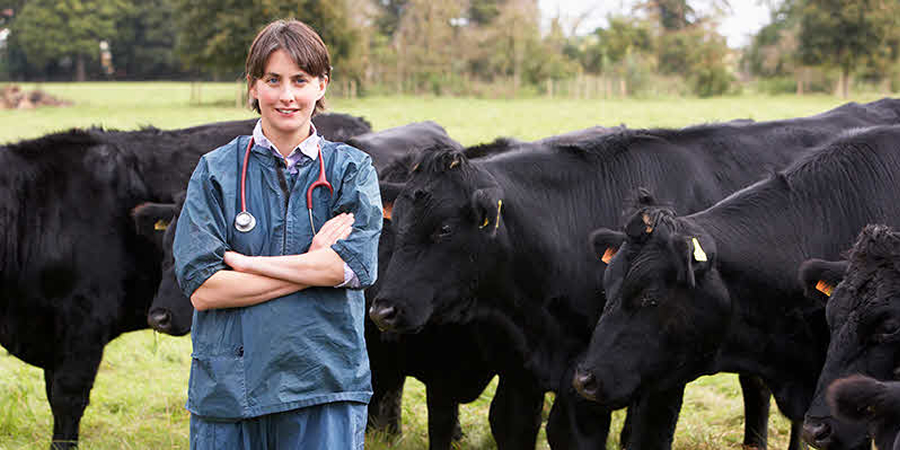
Providing tax or university study debt relief through a bonding scheme for veterinarians working in Australia's rural and regional areas is just one of the recommendations included in a new report on the shortage of vets on Australia.
The report released on July 17 by Veterinary Schools of Australia and New Zealand titled "Rethinking Veterinary Education" is a collaboration between the deans of veterinary science schools and faculties across Australasia. The last major report into veterinary education was compiled more than 20 years ago.
The report recognises the crisis facing the veterinary profession, particularly in terms of funding models for veterinary education, sustainability in agricultural and domestic practice, and retention in both rural/regional and rural areas. It also highlights the vital role that veterinary experts will play in managing the impacts of climate change, improving biosecurity and disease prevention.
Professor Jacqueline Norris, head of school for the Sydney School of Veterinary Science, said veterinary education had the highest gap of any discipline between what it costs universities to deliver their programmes and what they receive from the Commonwealth and capped domestic student fees to meet those costs.
"At the University of Sydney, on average over the past four years, the annual funding gap per full-time Commonwealth-supported veterinary student has been 36%, or almost $20,000 each," she said. "We know that many other universities face similar funding shortfalls in sustaining high-quality veterinary science programmes in the national interest."
Norris said the funding shortfall facing universities with vet science programmes – and the financial pressures on vet practitioners after graduation – meant that without structural change, there will be increasing sustainability pressures for the veterinary industry, impacting agricultural industries and domestic pets.
The eight universities across Australia and New Zealand that supply graduates for the veterinary profession have a special role to play in suggesting solutions and addressing these matters, she said.
Norris added that the report was a good signal that the higher education institutions are working together to push for the type of change needed: in accreditation, admissions criteria, structural adjustment and load sharing, and in funding changes.
Recommendations include new and broader pathways for entry to the profession, paid apprenticeships while studying, mandatory mentoring and the exploration of debt relief models for vets working in remote and rural Australia.
Critically, the report highlights the diverse role that vets play in the Australian economy, in local communities, and in the public health sector as 'disease spotters' at the frontline of Australia’s biosecurity, in food production and for animal welfare.
Norris said vets played a vital role in communities.
"We are focused on producing highly skilled graduates that can deal with the pressures of veterinary life and be major contributors to Australia's communities, economy and public health wellbeing," she said.
She noted that with accelerating climate change, the role of vets will become more important, not just as practitioners dealing with disease pressures on livestock and domestic pets, but as leaders in climate change research, as well.
Beyond treating animals that were unwell, vet expertise went much further, such as disease prevention and early identification of disease. "This is as important for human and animal health," Norris said.
"Our researchers are working with government and public health officials in Australia and Southeast Asia to train animal handlers on the ground to spot the emergence of zoonotic diseases such as swine or avian influenza, coronaviruses, rabies, foot and mouth disease, or African swine fever."
- University of Sydney


