


July 17, 2023
USDA report reveals progress of US meat, poultry processing industries
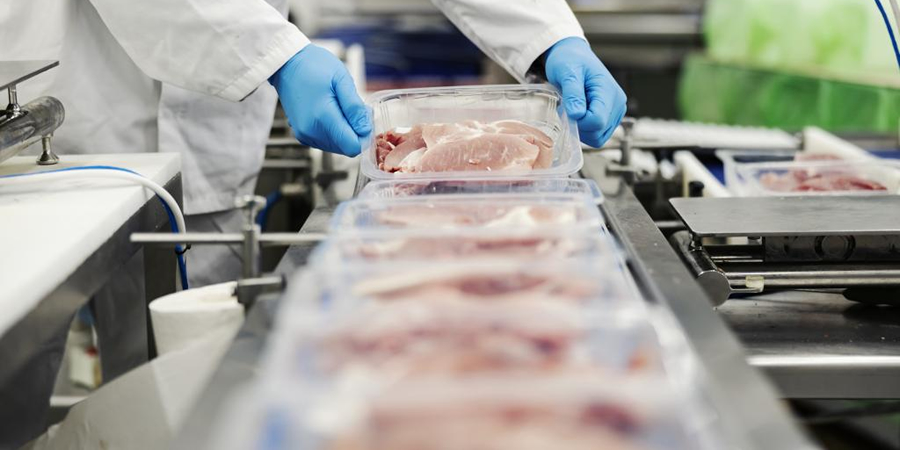
Meat and poultry processing industries in the United States have transformed over the decades as packers built large plants to achieve economies of scale, according to the United States Department of Agriculture's (USDA) "Concentration and Competition in U.S. Agribusiness" report.
Additionally, processors formed tighter linkages with a reorganised livestock production sector to assure a dependable supply of livestock to keep plants at near full capacity. Those transformations led to striking increases in concentration, particularly in slow-growing pork and beef industries, while also leading to lower costs in livestock production and slaughter.
However, while there were some significant mergers among processors, much of the growth in concentration came about from the construction of new, or the expansion of, existing plants by the large processors, rather than from mergers among rivals.
In 2019, 67% of the US' hogs were processed by the four leading processors. The share in 1980 was half that at 34%. Plants handling at least one million hogs accounted for 38% of hog slaughter in 1977 but for 88% by 1997.
Until the early 1990s, farmers raised pigs "farrow to finish" and sold market-weight hogs to a packer in a cash market transaction. By the early 2000s, most hogs were raised by farmers under a production contract with an integrator. Now, less than 10% of hogs are sold through cash markets, according to the USDA report.
- USDA


