


July 16, 2026
Vietnam's animal feed prices rise as Red Sea disruptions and import dependence squeeze livestock sector
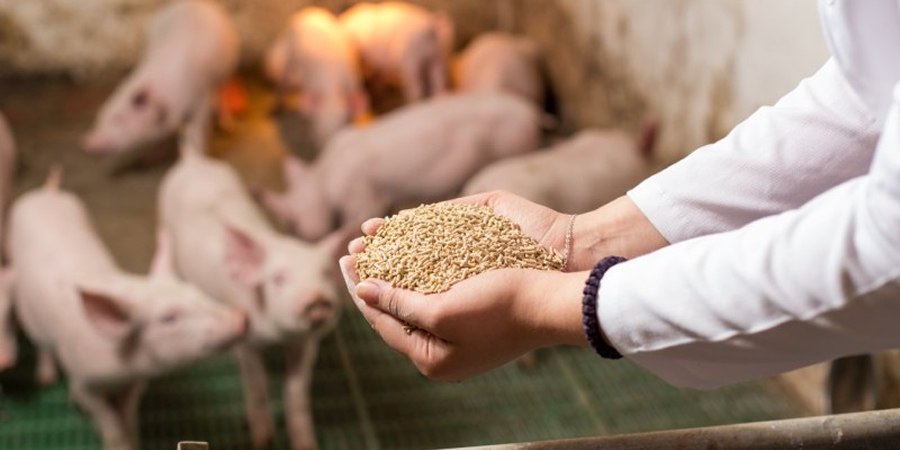
Feed manufacturers have raised prices by 100-300 VND/kg so far in 2026, with production costs for farmers up 10-15% and a further 3-5% increase forecast for the second half of the year.
Animal feed prices in Vietnam have risen sharply in the first half of 2026, driven by disruptions to Red Sea and Strait of Hormuz shipping routes, rising logistics and insurance costs, and the country's structural dependence on imported raw materials, with the Ministry of Agriculture and Environment forecasting a further 3-5% price increase in the second half of the year.
Vietnam imports over 65% of its animal feed raw materials and more than 90% of additives and supplements including vitamins, amino acids and minerals. Domestic corn production of 4.5-5 million tonnes per year covers less than half of annual demand of 11-12 million tonnes for feed production, while domestic soybean output meets less than 1% of requirements. Other domestic sources including cassava, rice bran and agricultural by-products cover only 10-15% of needs, with inconsistent quality.
Feed manufacturers have responded to higher input costs by raising selling prices by 100-300 VND per kilogram. At the cooperative level, feed for piglets is now priced at VND470,000-490,000 per 25kg bag, fattening pig feed at VND360,000-380,000 and poultry feed at VND260,000-370,000, with prices up VND7,000-12,000 per bag since the start of the year. A producer in Thanh Oai commune said livestock production costs had risen 10-15% since January while profits had fallen 10-20%.
Total imports of animal feed and raw materials in the first six months of 2026 reached approximately US$2.2 billion, down 5.6% from the same period last year. The United States was the largest supplier at 21.1% of import volume, followed by Argentina at 18.1% and China at 12.8%.
Deputy Minister of Agriculture and Environment Vo Van Hung said the Ministry would work with the Ministry of Industry and Trade to diversify import sources, build strategic domestic raw material reserves and manage prices in line with the 2023 Price Law. In the event of supply disruptions, Vietnam would look to expand procurement from South America, India, Eastern Europe and other Asian countries to reduce dependence on traditional markets.
Nguyen Ngoc Son, Standing Vice Chairman of the Vietnam Livestock Association, said localities should develop domestic raw material production areas, particularly for corn and soybeans, and promote research into agricultural and food processing by-products as alternative feed ingredients. De Heus Group was cited as an example, with the company investing in a contract corn cultivation programme that supplied approximately 100,000 tonnes to its factories in 2025 and targeting around 500,000 tonnes annually in the coming years.


