


July 16, 2024
Rwanda's farmers to benefit from enhanced animal feed production
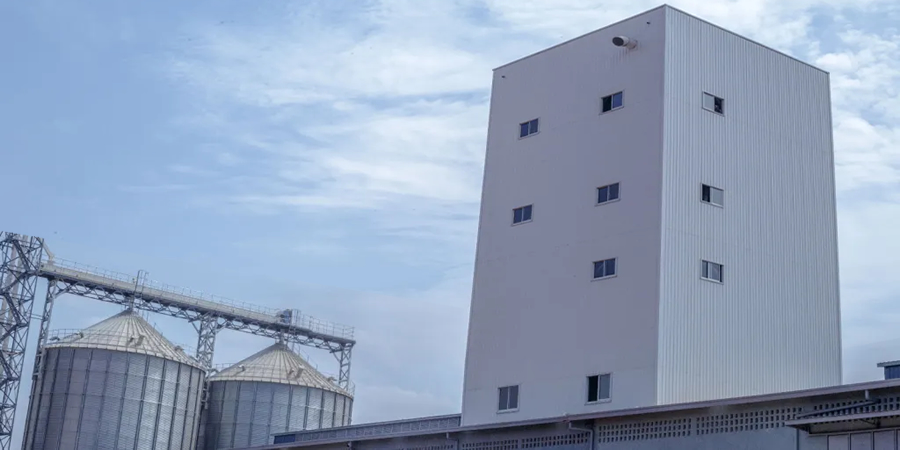
Farmers in Rwanda can expect quality and affordable animal feed through a new partnership between the country's National Industrial Research and Development Agency (NIRDA) and private companies, The New Times reported.
The initiative aims to acquire upgraded technology to increase animal feed production in both quality and quantity. Five animal feed producers were selected to receive new technology, primarily machinery, to improve their output.
One such company, Gorilla Feed Co Ltd, has greatly benefited from the partnership. They have relocated to the Kigali Special Economic Zone and constructed a mega-factory capable of producing feed for various livestock, including chickens, swine, and cattle, at different stages of growth. The automated machinery boasts three production lines with impressive capacities: 20 tonnes of mash, 15 tonnes of pellets, and 13 tonnes of crumble per hour. The facility was officially launched on July 11, 2024.
Companies benefited from NIRDA's support through the Open Calls Programme, designed to enhance business productivity and competitiveness. Selected companies received a 50% grant and a 50% loan facility with a zero-interest rate.
During the launch of Gorilla Feed Co Ltd, Dr Christian Sekomo Birame, Director of NIRDA, praised the partnership. He highlighted Gorilla Feed Co. Ltd's willingness to expand and invest its own resources alongside the funds provided by NIRDA.
Dr Birame expressed gratitude to the Belgium Development Agency (Enabel) for partnering with NIRDA to support industries not only in animal feed production but also in other value chains. He reiterated NIRDA's commitment to investing in local industries, particularly in technology acquisition, to ensure their competitiveness, productivity, and job creation.
The supported companies, with fully automated systems, now have a combined capacity to produce 468 tonnes per day.
Janvier Kivuye, general manager of Gorilla Feed, detailed the factory's extensive use of automation in its operations, encompassing raw material reception, storage silos, and processing machinery. The silos boast a storage capacity of 3,000 tonnes of maize or other cereal grains. The factory meticulously measures ingredients to ensure the feed meets all necessary standards, including protein and calorie content.
The factory also features a warehouse for storing various raw materials, including wheat, sunflower, soy, and premix, alongside maize. With the support received, the factory will soon possess a machine capable of producing a remarkable 20 tonnes of feed per hour, a fourfold increase compared to their previous output of 5 tonnes.
Kivuye emphasised plans to create new jobs in feed marketing and distribution. He also highlighted the machines' energy-saving features, eco-friendliness through the absence of polluting emissions, and the presence of dust collectors.
Apart from its own investment, Gorilla Feed Co. Ltd received US$600,000, half of which was a grant and the other half a loan facility with zero interest rate.
Jean-Paul Hagenimana, the managing director of Regional Food Processing Ltd, shared his company's experience of acquiring new machinery through the programme, enabling them to operate smoothly and increase profitability. The Huye District-based company boasts a fully automated line with the capacity to produce over three tonnes of feed per hour.
"Regional began as a small company using local machines and renting a workspace," he recounted. "We participated in the competition organised by NIRDA and Enabel and we were fortunate to win. We received a 50% loan and a 50% grant to purchase the machines. They even assisted us in preparing our facilities before the machines arrived."
Other companies that benefited from animal feed production support include the Muhango-based Bafina Agrovet Ltd which acquired new equipment as well as Zamura Feed which is based in Musanze District.
Zamura Feed acquired a Near Infrared Spectroscopy machine that tests the nutrient content of feed such as protein, fats, fibres, starch, ash, moisture content, and other machines testing aflatoxin in raw materials.
- The New Times


