


July 15, 2025
Climate change threatens global milk production
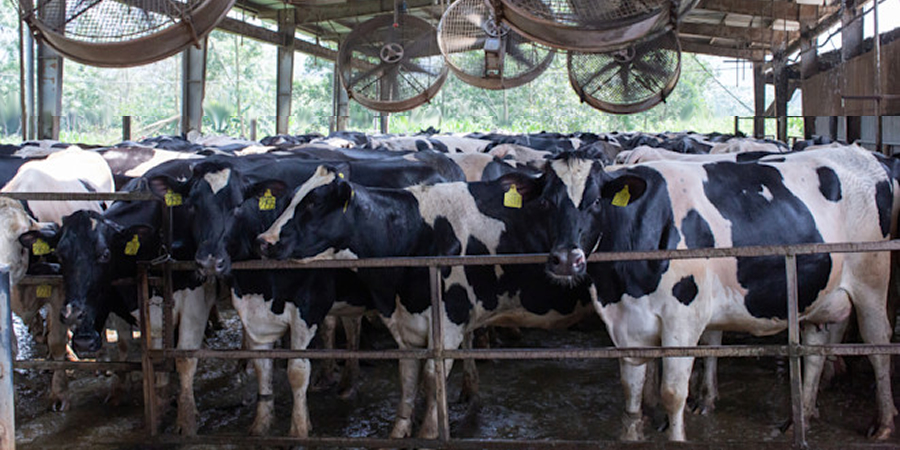
A recent study has found that hot and humid conditions reduce dairy cow yields, with the effects of extreme heat lasting for over ten days, according to the Kazinform News Agency, citing Science Advances.
Scientists analysed over 320 million daily milk production records collected over 12 years to assess the impact of humid heat and farms' ability to adapt. Their findings show that when temperatures and humidity rise above normal levels, milk yields drop by nearly 10%, and even modern cooling technologies fail to fully offset these losses.
The researchers note that in Israel, where the study was conducted, cooling systems such as ventilation and water spraying systems are already widely used. However, these technologies only manage to cut heat-related losses by about half. Cows are especially vulnerable during their most productive periods, creating what the scientists describe as a "productivity-resilience trade-off."
They warn that as global temperatures continue to rise, such extreme weather conditions could become the norm in many countries, including major milk producers like India, the US, China, and Pakistan. South Asia, in particular, is expected to see significant production growth over the next decade alongside increasing heat and humidity, putting the region at greater risk.
The team estimates that by mid-century, heat stress could reduce milk yields by up to 4% annually in some of the world's leading milk-producing countries, even with cooling technologies in place. Without them, losses would be even greater.
The researchers suggest exploring alternative adaptation strategies, such as cow welfare, housing conditions and reducing other stressors for livestock. However, they caution that the effectiveness of these measures still needs further study.
Earlier, Kazinform News Agency reported that June 2025 was the world's third-warmest on record, after 2023 and 2024.
- Kazinform International News Agency


