


July 14, 2026
Malaysia's SLH presses ahead with nine-block breeder farm expansion in Penang as feed costs rise and smaller farmers face pressure
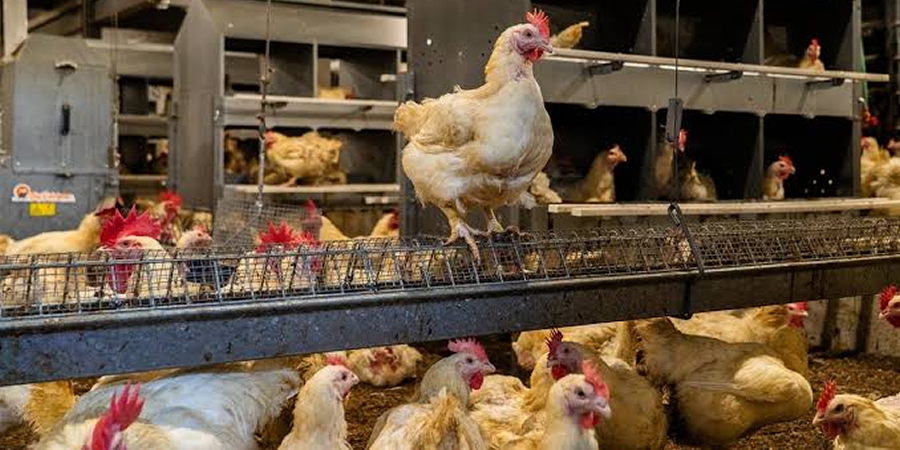
Feed costs have risen 6-8% since the West Asia conflict began, but the company says medium and large producers remain financially resilient enough to continue investing.
Syarikat Sin Long Heng Breeding Farm (SLH), one of Malaysia's larger poultry breeding companies, is expanding its breeder farm in Sungai Jawi, Penang, with nine multi-storey breeder blocks under development - each housing up to 18,000 breeder chickens across three floors - with all nine blocks expected to be operational by 2027.
Two blocks are currently operational, a third is due for completion next month, and the company expects one additional block to come online roughly every two months thereafter. The nine-block system is designed to accommodate staggered batches of breeder chickens across their 18-month production cycle, ensuring year-round output continuity. Each block incorporates automated feeding and watering systems, ventilation controls and biosecurity measures.
SLH is also preparing to more than triple its hatchery incubation capacity at its nearby facility, with a new incubator scheduled for installation next month. Terry Tan Chee Hee, Director of SLH, said the hatchery investment could not be deferred despite economic uncertainty. "This is something we cannot put on hold because production is ongoing. We cannot have eggs but no incubators," he said.
Feed accounts for 60-70% of poultry production costs, Tan said, and has risen by approximately 6-8% as a result of geopolitical tensions in the Middle East. He noted this increase was modest compared with the impact of the Russia-Ukraine war, when corn prices doubled from approximately RM900 per metric tonne to RM1,800 within a fortnight as demand shifted to substitute ingredients. The current West Asia conflict was more likely to affect fertiliser costs than feed ingredient prices, he added.
Tan, who also serves as an adviser to the Federation of Livestock Farmers' Associations of Malaysia (FLFAM), said medium and large poultry companies remained well-positioned to absorb higher costs and continue investing. Smaller producers faced a more difficult outlook. "What we are afraid of is the small farmers. They may not be able to sustain the price increases because their reserve funds are limited," he said.
SLH's expansion reflects a broader industry trend towards closed-house systems, supported by government incentives targeting improved biosecurity, environmental standards and production efficiency. Farm construction costs have risen sharply since the Covid-19 pandemic, with new facilities now costing more than RM10 million compared with RM5-8 million previously. Malaysia's poultry sector relies entirely on imported feed ingredients, and Tan said supply-chain disruptions could cause delays in raw material imports, though monthly production volumes were being maintained.
- CodeBlue


