


July 14, 2026
Indonesia brings in 546 live pigs from Denmark
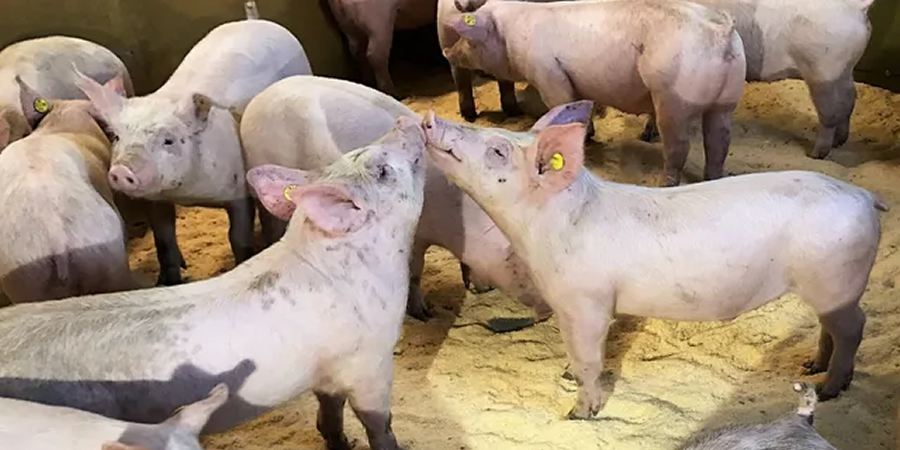
Indonesia has imported 546 live breeding pigs from Denmark for the first time, seeking to accelerate the recovery of a national swine population that has yet to rebound from the African swine fever (ASF) outbreak that began in 2019.
Indonesian Monogastric Association (AMI) Chairman Sauland Sinaga said the arrival of the breeding stock marked an important step toward rebuilding the country's pig population and improving livestock productivity.
According to Sauland, Indonesia has lost around four million pigs annually, equivalent to roughly 400,000 breeding sows, since ASF struck the country. The outbreak has continued to weigh on the supply of breeding stock and domestic pork production.
"This is the first time Indonesia has imported live breeding pigs from Denmark. It is a positive first step toward accelerating the recovery of the national pig population after it was hit by ASF," Sauland said.
He said the imports resulted from cooperation between the Indonesian and Danish governments, with private-sector involvement in procuring the breeding stock.
Sauland said all imported pigs had undergone stringent health procedures and were certified free from various animal diseases, including ASF. Danish veterinary authorities conducted inspections before shipment, while Indonesian quarantine officers carried out document and physical checks upon arrival.
Denmark is widely recognised for producing high-quality pig genetics, according to Sauland. The imported animals have high biosecurity standards, rapid growth rates, efficient feed conversion, and superior meat quality.
"The combination of Landrace and Yorkshire genetics is among the best options for accelerating the recovery of Indonesia's pig population," he said.
Beyond rebuilding the population, the introduction of superior breeding stock is expected to improve farm productivity.
Sauland said a sow in Indonesia currently produces an average of only eight marketable piglets per litter, while Landrace-Yorkshire crossbred stock could potentially produce up to 14 piglets per litter.
Higher productivity could improve farmers' incomes while accelerating efforts to meet demand for breeding stock across different regions, he added.
Sauland also dismissed concerns that imports of Danish breeding pigs could lead to monopolistic practices, arguing that the 546 pigs represented only a fraction of Indonesia's substantial domestic needs.
The 546 breeding pigs arrived at Sam Ratulangi Airport in Manado last week. Upon arrival, quarantine officers conducted document and physical inspections before the pigs were transported in sterilised vehicles to an Animal Quarantine Installation for observation and further laboratory testing.
Before departing for Indonesia, all of the pigs had also undergone a 20-day quarantine period in Denmark as part of disease-control procedures.
Earlier in February, the government announced plans to import 580,000 grandparent stock (GPS) breeding chickens worth around $20 million from the United States under the Reciprocal Trade Agreement. The imports are intended to meet domestic demand for superior poultry genetics that are not yet available in Indonesia.
- Jakarta Globe


