


July 13, 2023
El Nino-induced corn decline threatens livestock sector in the Philippines
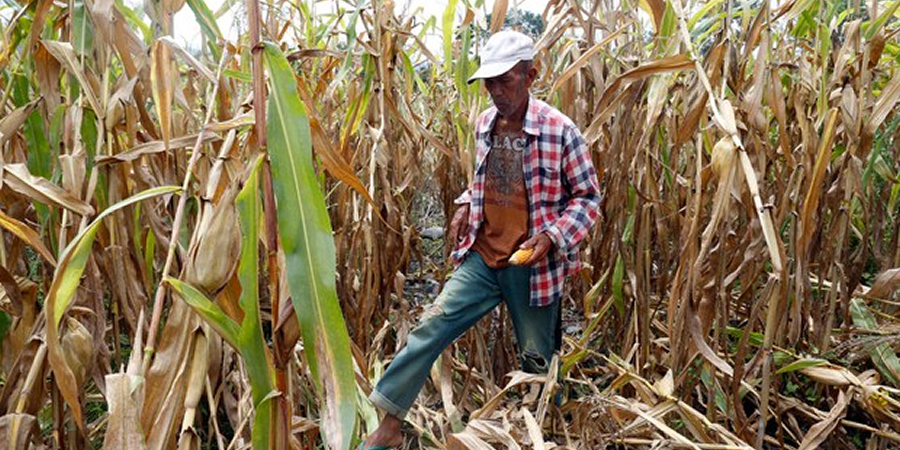
Industry officials in the Philippines have expressed concerns over declining corn output due to the El Nino weather phenomenon, which is expected to have a ripple effect on the livestock sector, BusinessWorld reported.
Danilo V Fausto, president of the Philippine Chamber of Agriculture and Food, said that the reduced supply of corn as animal feed could impact livestock, cattle, and dairy animals. This could lead to increased feed costs, affecting hog raisers who are already operating on thin profit margins.
Alfred Ng, vice president of the National Federation of Hog Farmers, said that corn constitutes 60% of the composition and cost of most animal feed. With the decline in corn supply, swine raisers may face higher feed costs. Ng added that some backyard swine raisers could experience losses due to lower liveweight prices and increased feed expenses.
The Philippine Atmospheric, Geophysical and Astronomical Services Administration (PAGASA) recently declared the onset of El Nino, which typically brings dry spells and droughts, as well as stronger typhoons. Concerns are rising about water allocation from dams, as residential users usually receive priority over irrigation. If dam levels fall below the minimum operating level of 180m, the National Water Resources Board has stated that water allocation for the Metropolitan Waterworks and Sewerage System (MWSS) and the National Irrigation Administration (NIA) will be reduced.
The potential impacts of El Nino extend beyond the livestock sector. The Philippines' fisheries sector, particularly aquaculture, may be affected by lower water levels, leading to fish kill.
Raul Q Montemayor, national manager of the Federation of Free Farmers, said that the effects of El Nino could also spill over into the 2024 rice supply, as reduced water availability for irrigation during the dry season could limit stocks.
Enrique D Rojas, president of the National Federation of Sugarcane Planters, projected a decline in sugarcane production due to the arrival of dry weather and the prolonged presence of El Nino.
The extent of the impact on sugar production is uncertain, but Rojas expressed hope for favourable monsoons to mitigate potential damage to crops.
The National Irrigation Administration (NIA) has implemented measures to support farmers, including providing solar and water pumps and supplying high-value crop inputs like corn and mung beans. The Philippines' Department of Agriculture (DA) has identified provinces expected to experience dry conditions, dry spells, and drought.
- BusinessWorld


