


July 10, 2026
Vietnam fisheries sector grows 4.88% in H1 2026 as high-tech aquaculture drives expansion
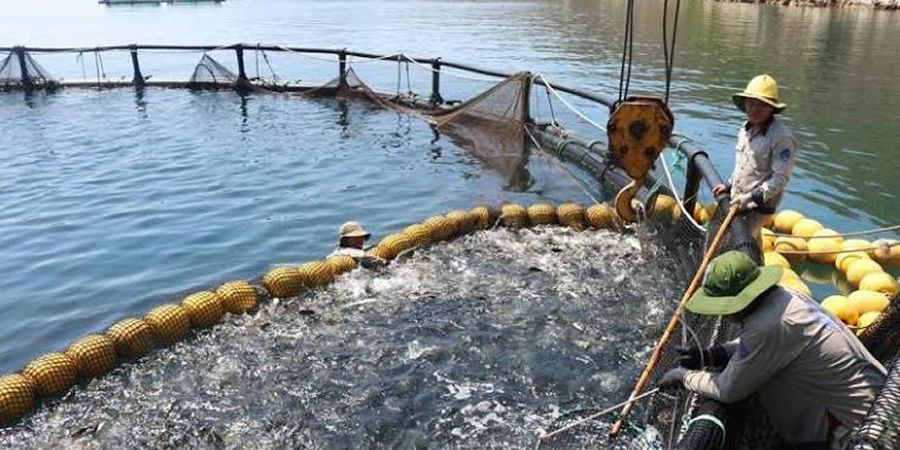
Aquaculture production reached nearly 3 million tonnes in the first half of the year, with shrimp and marine farming posting the strongest gains.
Vietnam's fisheries sector recorded GDP value-added growth of 4.88% in the first half of 2026, contributing 1.56% to national GDP, with aquaculture accounting for the bulk of the expansion, according to the National Statistics Office. Cumulative aquaculture output for the January-June period reached nearly 3 million tonnes, up 5.7% year on year.
Within the aquaculture segment, farmed fish production rose 4.4% to 1.98 million tonnes, while shrimp output grew 8.1% to 702,500 tonnes. Other aquatic species expanded 9.1% to 306,600 tonnes. Marine farming was the standout performer, posting growth of 11.7%, while oyster production surged 52.7% over the same period last year.
Second-quarter aquaculture output alone reached 1.68 million tonnes, a 5.8% increase over the prior-year period. Capture fisheries maintained steady growth alongside the aquaculture expansion, though the sector has been deliberately scaled back as part of a structural shift toward sustainability, with annual capture volumes held at 3.8 to 3.9 million tonnes.
The National Statistics Office attributed the results to the industry's transition toward high-tech cultivation, expanded marine farming, and stronger integration of scientific applications to meet both domestic consumption and export demand.
The growth figures coincide with a strategic review by the Ministry of Agriculture and Environment's Department of Fisheries of the Fisheries Development Strategy to 2030. The review found that during 2021-2025, total fisheries production grew at an average annual rate of 2.6%, surpassing the 9.8-million-ton target originally set for 2030. Aquaculture output rose from 4.89 million tonnes in 2021 to 6.11 million tonnes in 2025, averaging 5.2% annual growth, while capture volumes declined at an average of 0.9% per year.
National programmes during the period focused on modernising aquaculture through high-tech integration, climate change adaptation, traceability systems, farm code issuance, VietGAP certification and digital transformation. For the 2026-2030 period, the sector is targeting a transition to a "green, clean and responsible" production model, with Vietnam aiming to rank among the world's top three seafood producers and exporters by 2045.


