


July 9, 2026
China opens market to Russian compound feed imports under new customs announcement
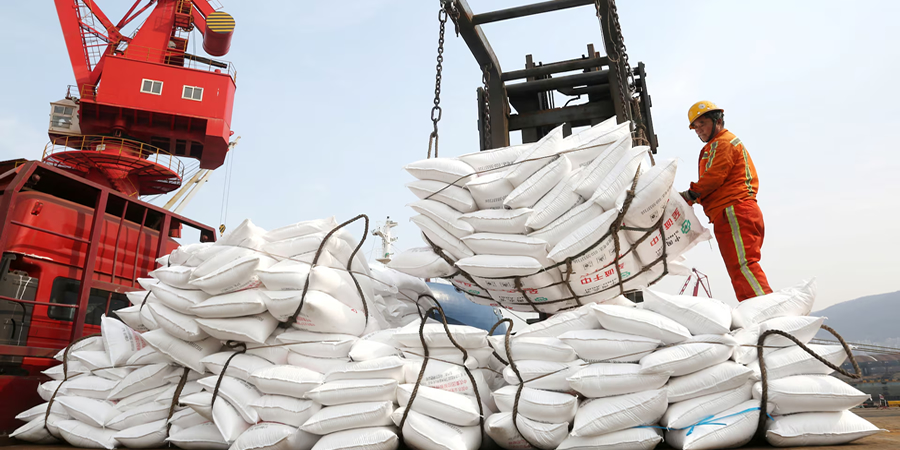
Approved Russian exporters must hold HACCP certification, comply with strict heat treatment standards and obtain registration with Chinese authorities before shipments can enter.
China's General Administration of Customs (GACC) issued Announcement No. 86 of 2026 on 26 June, formally permitting imports of Russian compound feed - finished feed products combining multiple raw materials and additives - marking a significant expansion of bilateral feed trade beyond the single ingredients and raw materials already permitted.
Under the announcement, only Russian enterprises approved by their domestic regulatory authority, operating with a certified HACCP food safety management system and formally registered with Chinese customs, are eligible to export. Products from unregistered enterprises are prohibited from entry.
The regulations set detailed requirements for raw material sourcing. Animal-derived ingredients from terrestrial sources must originate from disease-free zones recognised by China, while aquatic animal ingredients are limited to those farmed or legally caught within Russia. The use of materials from culled animals or those of unknown cause of death is prohibited. Ruminant feeds may not contain animal-derived components other than milk or dairy products.
Heat treatment standards are mandatory throughout the supply chain: raw materials must be processed at a minimum of 90 degrees Celsius for at least 30 minutes, while finished compound feed must undergo treatment at no less than 70 degrees Celsius for 30 minutes or more. All shipments must be accompanied by official Russian phytosanitary certificates and product conformity documentation, with clearance required at the port of entry before sale or use is permitted.
The opening of Russian compound feed exports to China is expected to diversify China's import base, which has historically relied on suppliers from Europe, the United States and Southeast Asia. Analysts note that Russia's abundant agricultural resources and relatively lower feed production costs could offer Chinese buyers a competitive alternative, particularly as soybean meal and corn prices remain elevated. The stringent HACCP, heat treatment and raw material traceability requirements imposed under the new framework are also expected to raise quality benchmarks for all market participants.


