


July 7, 2026
Vietnam's Nghe An province targets 1.3 million pigs and 56 million poultry under 2030 agricultural master plan
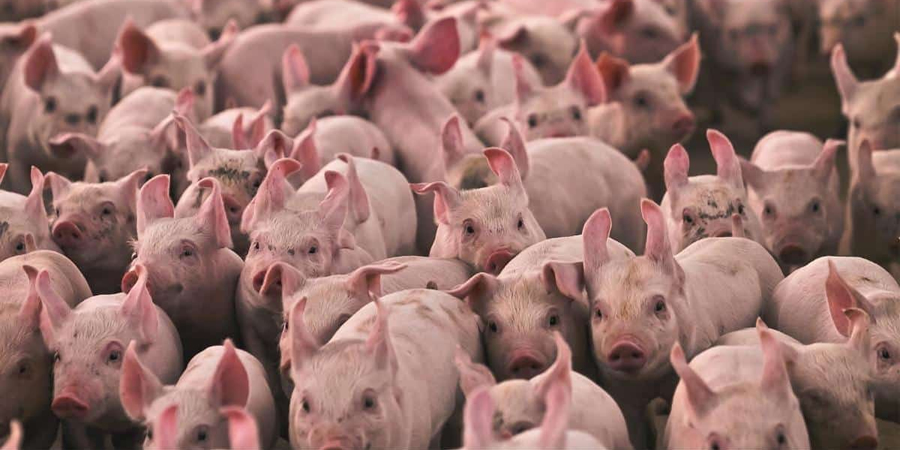
The provincial plan also sets shrimp and fish production targets and mandates full adoption of smart farming technologies across large-scale livestock operations.
Vietnam's Nghe An province has approved a master plan for agricultural development through 2030 that sets binding production targets across six priority livestock species, with the pig herd to reach 1.3 million head producing 225,000 tonnes of live weight per year and the poultry population to reach 56 million birds producing 130,000 tonnes annually.
The plan, formalised under Decision No. 2948/QD-UBND of the Provincial People's Committee, covers nine priority crops and six livestock categories - pigs, poultry, beef cattle, dairy cattle, shrimp and fish - linked to processing, preservation and value chain development.
For beef cattle, the province targets a herd of 555,000 head with live weight production exceeding 37,200 tonnes per year. In aquaculture, shrimp farming is planned across 2,250 hectares with output of 14,000 tonnes per year valued at over VND3,000 billion (approximately US$117 million), while fish farming covering 19,550 hectares is targeted to produce 60,000 tonnes annually. Cage fish farming in major reservoirs including Ban Ve, Vuc Mau and Khe Bo will be expanded with specialty species.
All large-scale livestock farms are required to adopt smart technologies including IoT systems, cold storage and biogas waste treatment under the plan's provisions.
The province is targeting average annual growth of 5-5.5% in the value of key agricultural products between 2026 and 2030, with these priority sectors contributing 80-85% of the total value of the province's agriculture, forestry and fisheries output. Export turnover from these sectors is targeted at 93-95% of total sectoral exports. The plan also calls for the establishment of 100-150 new production-processing-consumption chains involving more than 150-165 businesses and 300 cooperatives by 2030.


