


July 7, 2025
Russia forecasts fish exports to Middle East to top 80,000 tonnes by 2030
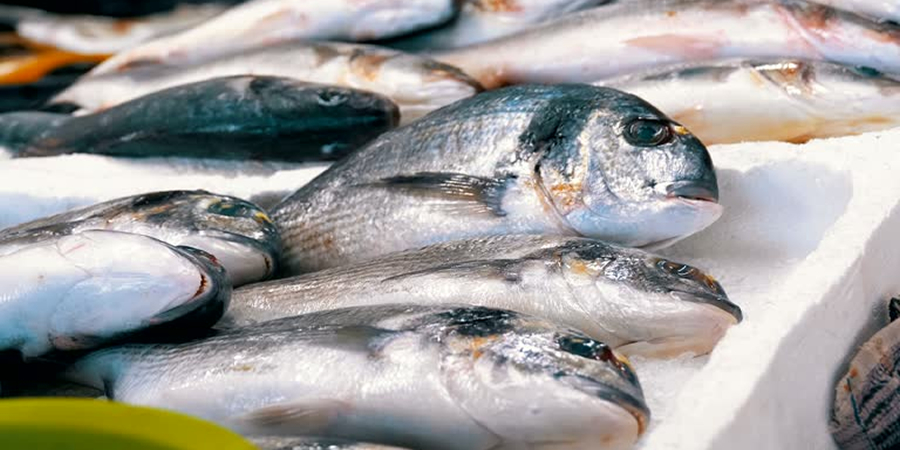
The potential of Russian fish exports to Middle Eastern countries is estimated at no less than 87,300 tonnes by 2030, with significant opportunities for expansion to be found in halal certification of supplied products, the Russian Fisheries Association (VARPE) said.
The supply potential was assessed based on a study of Middle Eastern markets and the capabilities of Russian exporters, VARPE President German Zverev said. This figure only accounts for key export commodity categories - products made from pollock, cod, Pacific salmon, herring, sardines and crab.
Fishmeal will remain the primary export item, accounting for 57% of the total.
"Currently, we export fish products to Turkey, Israel, the UAE, Bahrain, Oman, Saudi Arabia, Qatar and Kuwait. In 2023-2024, shipments increased from less than 1,300 tonnes to over 16,000 tonnes. The driver of this growth was the export of non-food products - fishmeal," Zverev said.
Obtaining halal certification for exported products could further boost shipments, he said. This would increase demand among local consumers. "This is particularly important given the development of trade and economic relations between Russia and Middle Eastern countries. This includes, among other things, the creation of a free trade zone between Russia and the UAE, the largest importer of fish products in the region," he said.
As an example of using this certification to increase fish exports to the Middle East, VARPE cited Vietnam, a major global exporter. The new export strategy implemented by Vietnamese seafood processing and exporting companies involves actively entering the halal market.
According to the Vietnamese Agriculture and Rural Development Ministry, the country's largest shrimp producer, Minh Phu Group, has already obtained halal certification. Leading pangasius farming and processing companies Vinh Hoan Joint Stock Company and Bien Dong Joint Stock Company are also developing this area.
Halal certification is only required for exporting seafood intended for human consumption, VARPE said.
- Interfax


