


July 7, 2023
US beef prices rising, raises concerns about consumer demand and input costs
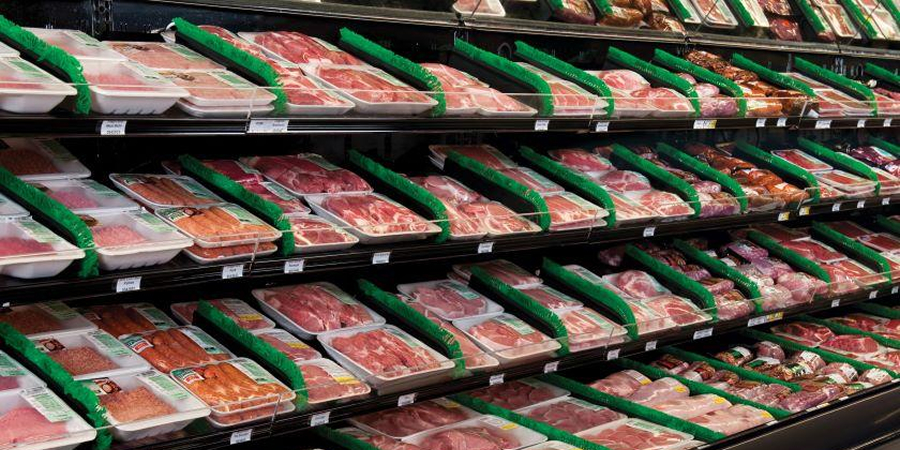
Andrew Griffith, agricultural economist at the University of Tennessee, said the figures in USDA's released data on beef retail prices in May, which highlights trends in US beef consumption, demonstrate the ongoing increase in US beef prices, APG Southern Minnesota reported.
The choice beef price reached a historic high of US$8.08 per pound, with the all-fresh beef retail price exceeding US$7.50 per pound. These prices reflect a significant rise, with the choice beef price increasing by US$0.23 per pound from April. The all-fresh beef retail price in May was US$0.18 per pound higher than April, marking the third highest monthly price on record and the highest since November 2021.
Griffith said that these numbers raise concerns about consumer demand in the coming months. Many in the beef and cattle industry wonder how high prices can go before consumers reduce their beef purchases. However, it is unlikely that consumers will completely stop purchasing beef altogether.
On the other hand, cattle producers face a related question regarding input costs. Griffith said that cattle producers need to consider how high feed prices can go before they limit their feed purchases. Similarly, at what price would a producer decide to stop purchasing fertiliser. While most people continue to buy feed and fertiliser, the quantities may be reduced compared to lower-priced periods. This difference arises from the fact that cattle producers make business decisions while consumers make personal choices.
Despite the concerns raised, Griffith does not anticipate a dramatic collapse in cattle markets.
Feeder cattle prices remain strong in historical context, offering reassurance to producers. While some cattle producers may worry about a potential downturn in the calf and feeder cattle market, Griffith said that these prices still reflect strength in the market.
Looking at the futures market, he expects significant volatility in the coming months, affecting various sectors including livestock, grains, and oilseeds. This volatility presents opportunities for cattle producers to hedge prices through futures trading or Livestock Risk Protection (LRP) insurance, particularly for the late summer and fall seasons.
- APG Southern Minnesota


