


July 6, 2026
Indonesia shifts policy focus to fish protein self-sufficiency after achieving rice and corn targets
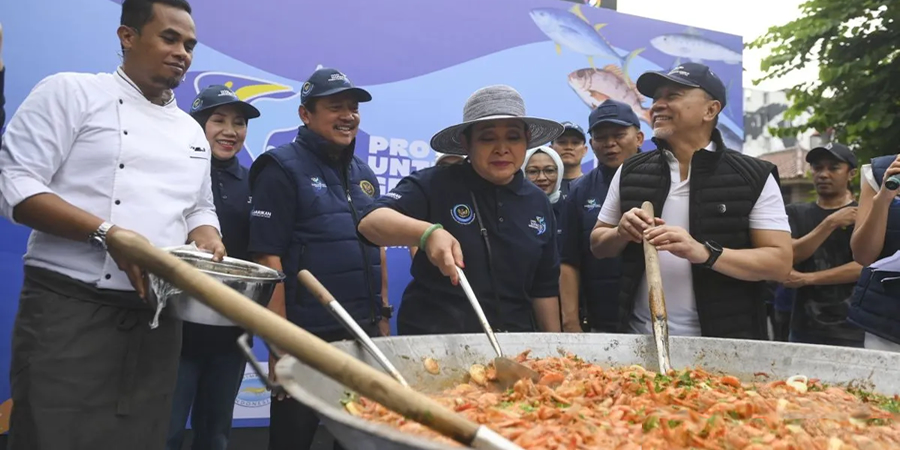
The government plans to establish freshwater fish farming operations across 40,000 villages as it looks to raise animal protein consumption from a low base.
Indonesia is redirecting its food self-sufficiency drive towards fish protein following the achievement of carbohydrate self-sufficiency in rice and corn, with Coordinating Minister for Food Zulkifli Hasan confirming aquaculture and capture fisheries as the government's priority for 2026.
Hasan said improved fisheries governance at the village level would be central to achieving the target, including the development of so-called Red and White Fishermen's Villages - facilities designed to support fishing communities with ice production, cold storage and related infrastructure. "We are building fishing villages because of the limited bargaining power of our fishermen," he said.
In parallel, the government is working to establish freshwater fish farming operations in 40,000 villages across Indonesia, with cultivation areas to be distributed between Java and outer islands. Each village is intended to have its own production area under the programme.
The policy push is underpinned by data showing that animal protein consumption in Indonesia remains relatively low. National Food Agency figures indicate average daily protein intake of 61.7 to 62.3 grams per capita, of which only 17 to 18 grams comes from animal sources. Fish, shrimp and shellfish account for 9.58 grams of that total, with red meat and poultry contributing 4.79 grams and eggs and milk 3.37 grams.
The Ministry of Health is supporting the initiative by encouraging consumption of at least one portion of fish or two eggs per day as part of efforts to address child stunting.
- ANTARA


