


July 6, 2026
Vietnam's Hai Phong accelerates shift from household to large-scale livestock farming
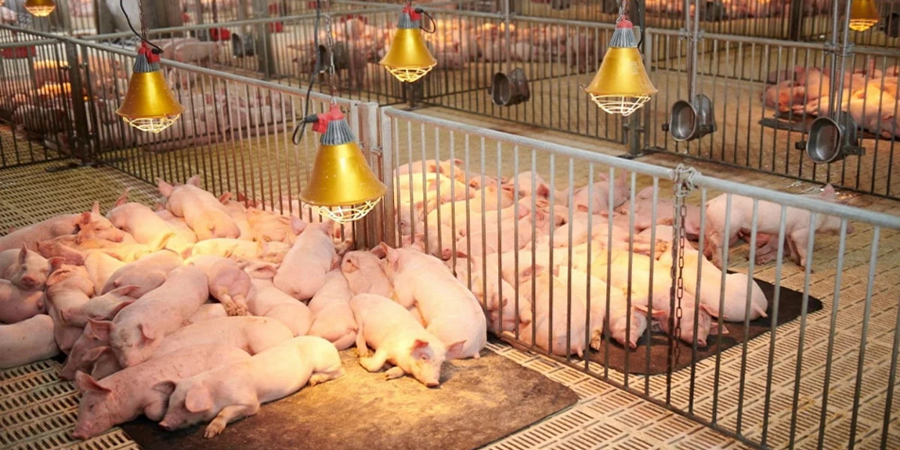
Regulatory restrictions on urban livestock keeping and rising input costs are driving consolidation, with the city targeting a pig herd of 710,000 head and poultry of 28 million head by 2030.
Livestock production in Vietnam's Hai Phong is undergoing rapid structural consolidation as smallholder farms give way to large-scale, technology-driven operations, accelerated by municipal regulations banning livestock keeping in urban and residential zones.
The shift is visible across multiple districts. In Binh Giang commune, small-scale pig farming has contracted by more than 90%, with the total pig population now standing at 3,000 fattening pigs and 300 breeding sows concentrated among 13 larger farm operators. In Tan Minh commune, livestock farms have been relocated entirely out of residential areas, with operations consolidating along the Thai Binh River into a designated farming zone attracting nearly 10 pig and poultry establishments, some running chicken flocks of 10,000 birds or more and pig units of 3,000-5,000 head using high-technology production systems.
Nguyen Manh Hung, Deputy Head of the Fisheries, Livestock and Veterinary Department of Hai Phong, said the transition from household to farm-scale production is an inevitable trend, but stressed the importance of ensuring that consolidated operations meet standards for disease biosecurity, environmental management and technology adoption, including circular and smart farming systems aimed at reducing greenhouse gas emissions.
The city is supporting the transition through financial incentives under Resolution 51 of the City People's Council, which provides one-time coverage of 100% of the cost of VietGAP certification and disease-free facility accreditation, up to VND70 million (approximately US$2,750) per facility.
By 2030, Hai Phong plans to develop its pig herd to 710,000 head and poultry to 28 million head, alongside buffalo at 8,700 head and cattle at 25,000 head.


