


July 6, 2023
Research highlights aquaculture's role in cutting waste
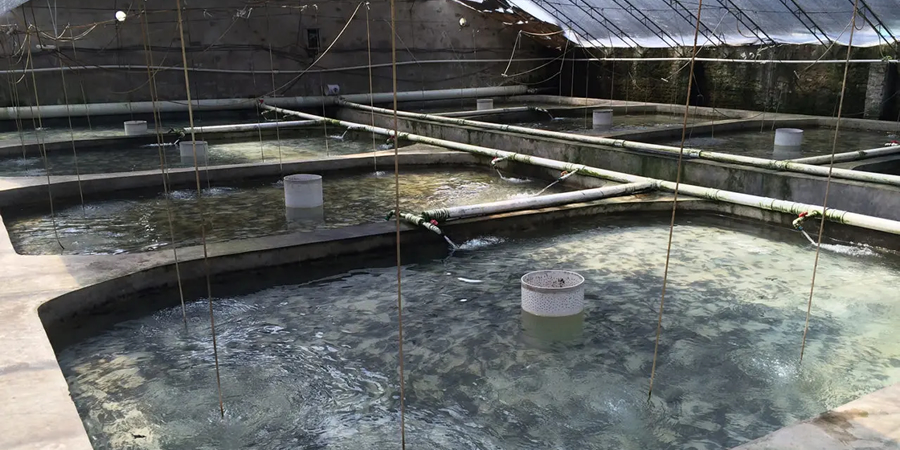
Results emerging from a recent research project are indicating that the aquaculture sector can help to reduce waste and at the same time generate wealth by recycling its industrial hard plastics.
"We've been looking into everything from administrative terms of reference to rules and regulations, the current state of our knowledge and, not least, levels of acceptance within the industry," said Sigrid Damman, a researcher at Norwegian research organisation SINTEF. "These factors are just as important as any technological developments."
The creation of so-called 'circular economies' is a complex process. Firstly, there needs to be an awareness of the opportunities available when it comes to utilising resources. Stable administrative and regulatory frameworks are also required in place. The latter will enable industry players to utilise new materials and products without entailing high levels of risk. Moreover, the right legislation and regulations must be in place to facilitate new initiatives.
In regard to those developments, researchers are now presenting specific recommendations both to the aquaculture sector and public authorities. They are working on a project called POCOplast, which has been established to look into all aspects of the value chain — from the producers of plastic components to those that supply both components and services, as well as the aquaculture companies which in turn deliver used plastics for recycling.
Researchers at SINTEF have been working together with seven partners to conduct a thorough analysis based in part on almost 30 interviews with various stakeholders.
"We've been looking into what goes on among the various actors in the value chain, and have also tried to understand the barriers that exist in the current regulations," said Damman.
POCOplast is an abbreviation of "Pathways to sustainable post-consumer plastics in aquaculture." The project is defined as a so-called KSP (competence and collaboration project), established with the aim of investigating how companies in the aquaculture sector can achieve a greater level of circularity in their use of plastics. It was launched in 2020 and will be completed in the autumn of 2023.
The European Union has already made a number of amendments to its rules and regulations and is also offering more funding for research.
"Perhaps we can go even further by requiring that recycled plastic material be incorporated during the (manufacturing) of industrial plastic products," said Damman. "This will boost development, but it will be a bad move to stipulate new requirements before we're sure that we have sufficient capacity in place. Nevertheless, we ought to be setting more specific targets for the levels of incorporation of recycled material in the manufacture of industrial hard plastics."
Damman added that many companies are interested in recycling plastic and developing new products, but that they are all demanding greater assurances when it comes to materials flow.
"For example, it's crucial to users of the material that they have reliable access to products of uniform quality," she explained. "And those who receive the plastics for recycling have to know that there is sufficient demand. They also need to understand, and be able to document, that they are supplying plastic that meets the needs of their own customers."
Researchers believe that a key to success will be the introduction of new arrangements that place greater levels of responsibility with the manufacturers. Such an arrangement, established to cover plastics derived from the fisheries and aquaculture sectors, and which is in line with the EU's Single-Use Plastic Directive, will be in place before the end of 2024. It will entail manufacturers assuming complete responsibility for the life cycle of entire products.
There is also talk of introducing funding programmes that will make it commercially viable to design products that are suitable for recycling.
"The happy outcome of all this is that we will be able to create new products and jobs in the districts, based on resources that were previously classified as waste," said Damman. "The most important thing here is to set targets for materials recycling, including industrial hard plastics. This will offer greater predictability, which will in turn encourage a greater willingness among actors to invest in circular economy systems.
"We need to stipulate clearer requirements for the recycling of all plastics, including hard industrial plastics. Current requirements offer only the wording "plastics suitable for recycling," which, of course, makes it somewhat unclear as to the materials that are included."
In order to develop a circular value chain for plastics, it is important to establish acceptance of the new materials and products.
According to Damman, if the sector is to start using new materials and making new products, it will have to have assurances that they will work and that they are as robust and reliable as existing ones.
She believes that it is important to direct a greater focus on the challenge linked to plastics, as well as other sustainability challenges in the aquaculture sector and that norms and standards will be developed in step with the new materials and products.
"Last, but not least, it will be crucial to establish dialog with the relevant public authorities," said Damman. "Good intentions will be to no avail if the authorities cannot offer a regulatory framework that enables the industry to see the benefits of adopting innovative materials and products.
The establishment of a circular economy centered on the use of plastics in the aquaculture sector will be important for many reasons.
Firstly, marine plastic waste has a negative impact on ecosystems and is harmful to marine plants and animals. A circular economy will contribute towards reducing the volumes of micro- and nanoplastics currently entering marine ecosystems. Circular economy initiatives are also important for reducing the use of 'virgin' plastics, which in turn will result in less greenhouse gas emissions and will help to reduce global warming.
"Furthermore, there will be environmental benefits linked to the fact that less plastic will be combusted or sent to landfill, where pollution due to water run-off can be a problem," said Damman.
- Norwegian University of Science and Technology


