


July 6, 2023
Adoption of novel meat substitutes needed in Asia to meet climate goals
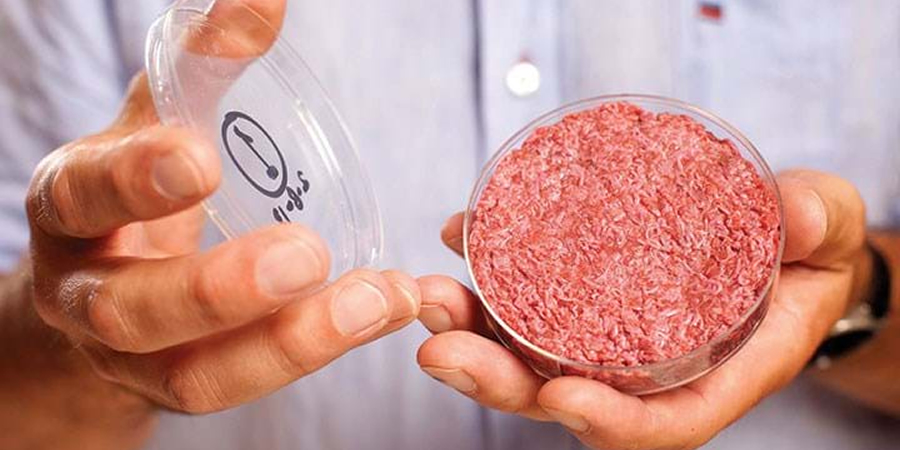
A study conducted by Asia Research and Engagement (ARE) highlighted the necessity for the largest protein markets in Asia to significantly increase their adoption of alternative meat substitutes in order to achieve the region's climate goals, Eco-Business reported.
The report sad that China, the world's top food consumer, must aim for alternative proteins to make up 50% of its protein intake by 2060 to effectively reduce food emissions. Similarly, fast-growing countries like India and Pakistan need to reach a minimum of 85% alternative protein consumption, although traditional plant protein could play a larger role in these nations.
While measures to combat deforestation and reduce industrial meat production are important, the Singapore-based consultancy said that these efforts alone are insufficient to mitigate climate change. The study adds to the growing calls for businesses and governments to support the transition from traditional meat products to new plant-based, microbe-based, and cell-based alternatives, which have lower carbon emissions but are not widely consumed.
Livestock production accounts for about half of global food emissions and one-sixth of total manmade greenhouse gases.
According to ARE's modelling work, even with stringent sustainability efforts, China's food emissions are projected to exceed a "climate-safe" level by 4.3 gigatonnes of carbon dioxide by 2060, the same year China has committed to achieving net-zero emissions. The safe level would have required a 72% reduction in protein emissions to 0.2 gigatonnes by 2060, based on a benchmark set by the Science Based Targets initiative.
Despite efforts to end deforestation by 2030, transition to clean energy by 2055, and significant reductions in food waste and livestock emissions, China's 2060 food emissions would still hover around 0.4 gigatonnes, double the safe level.
The growing demand for protein from China's expanding middle class contributes to rising emissions, and the aging population in the later decades does not offset the trend. The replacement of industrially produced meat with alternative proteins becomes crucial to mitigate most of the excess emissions.
This effort would require an estimated US$730 billion in capital expenditure until 2060, with the report suggesting that industrial meat production should peak by 2030 and decline rapidly thereafter.
The study also highlights the environmental impact of intensive livestock farming in China, which generates substantial amounts of manure and pollution. It further notes that Chinese importers, despite limited deforestation commitments, have been importing significant volumes of Brazilian soy as animal feedstock, potentially contributing to deforestation overseas.
Recent studies have demonstrated that alternative proteins have considerably lower climate change impacts compared to conventional meat, with the additional energy expenditure from specialised factory production being offset by smaller land and raw material footprints.
Asian countries, including Japan, Indonesia, Thailand, India, and Pakistan, face similar requirements for alternative proteins to meet their decarbonisation targets. Each country needs to find substitutes for a significant percentage of their protein intake by 2060. In lower-income countries like India and Pakistan, some of the replacements may come from traditional plant proteins like soy and beans rather than highly processed variants that resemble meat patties.
Kate Blaszak, director of protein transition at ARE, said that while conventional plant proteins may be more sustainable, they might not be as popular among the growing middle class in Asia who still desire meat or meat-like products for status reasons.
Alternative proteins have encountered obstacles, including taste preferences and concerns about complex ingredient lists. But investments in research and start-ups have been steadily increasing in Asia, with positive results from consumer surveys on cultivated meat and seafood products.
The study also suggests that governments may need to redirect subsidies from animal production to alternative proteins to accelerate the transition. It also highlights the limited promotion of alternative proteins by banks through their investments. Asian companies have already begun building portfolios of novel foods, positioning themselves for future growth.
The report said that if market forces fail to drive a faster transition, policies and regulations may be necessary to expedite the shift, similar to the developments occurring in the European Union.
Banks, corporations, and shareholders that anticipate these regulatory changes and promote the transition in advance stand to gain a first-mover advantage, according to the study.
- Eco-Business


