


July 4, 2023
High oleic soybean oil shows promise for swine diet, research shows
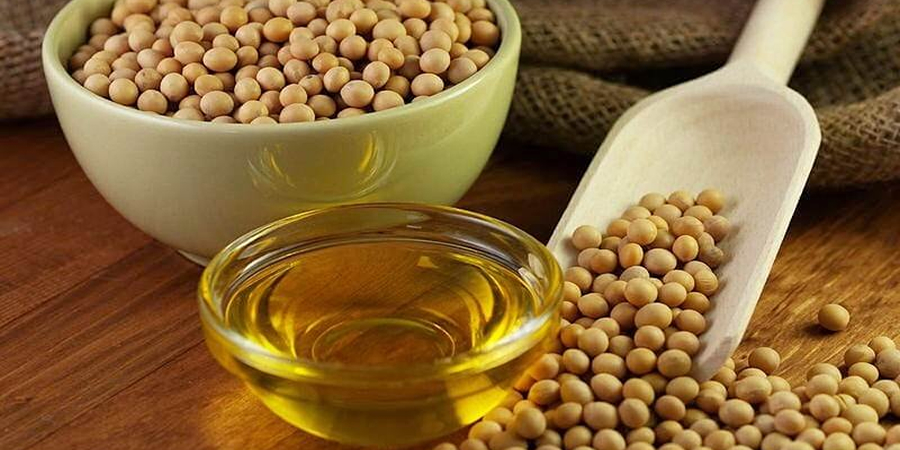
New research conducted at the University of Illinois, supported by the United Soybean Board, suggests that high oleic soybean oil (HOSO) can be an effective substitute for distillers dried grains with solubles (DDGS) in swine diets, The Pig Site reported.
The study reveals that HOSO, rich in monounsaturated fats, performs well in terms of both growth performance for growing swine and pork processing characteristics.
The research team compared the effects of feeding growing swine a standard corn-soybean meal finishing diet supplemented with either DDGS or HOSO as a fat source. The HOSO was included at 2%, 4%, or 6% of the complete diet while DDGS accounted for 25%.
The results showed that swine fed HOSO exhibited reduced average daily feed intake, resulting in increased efficiency in converting the diet into weight gain. The study also examined overall carcass characteristics and found that as the percentage of HOSO in the diet increased, there was a slight increase in fat thickness and a reduction in fat-free lean. But these changes were not significant enough to cause concern.
In a separate study focusing on loin and belly quality, the researchers evaluated the impact of the diets on the highest-value primal cuts. The findings indicated that swinefed HOSO had thicker and firmer bellies, containing a higher proportion of monounsaturated fatty acids. The palatability, oxidation, and quality of the loin and belly were not significantly affected by the inclusion of HOSO in the diet, demonstrating its compatibility as a substitute for DDGS.
While the researchers did not make specific recommendations for the swine feed industry, they found the 4% inclusion level of HOSO to be particularly promising. This level improved the thickness and firmness of bellies without compromising the lean percentage as much as the 6% level.
The cost of HOSO currently remains higher than that of DDGS due to its limited availability in the market. As production of high oleic soybeans increases, it is expected that the price of HOSO will eventually decrease, making it a more cost-effective option for producers.
- The Pig Site


