


July 3, 2025
US swine herd marks four years without a positive TGEV case
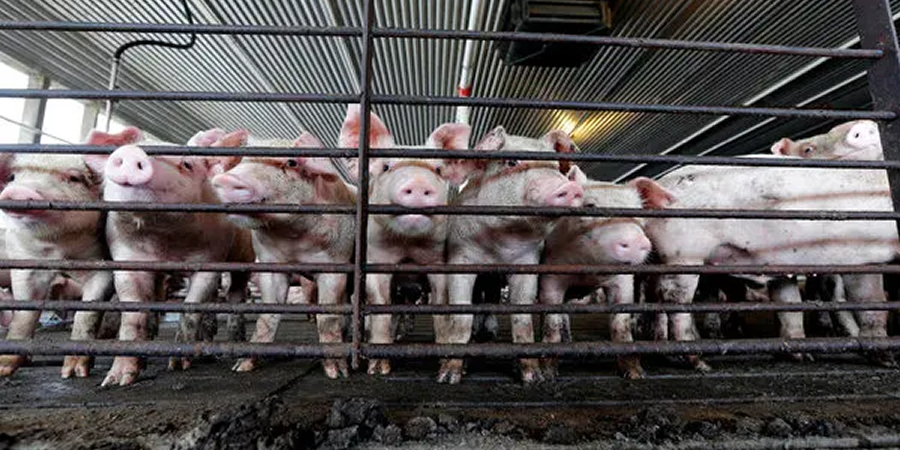
Veterinary authorities in the United States have confirmed that since 2021, over 500,000 PCR tests from all age groups and farm types across 47 states have detected no traces of transmissible gastroenteritis virus (TGEV).
TGEV is a highly contagious viral illness affecting swine of all ages, marked by symptoms such as diarrhoea and vomiting. The disease is triggered by the TGE virus, which belongs to the Coronaviridae family. Piglets younger than two weeks often experience high mortality rates, though the fatality rate decreases as they age.
The Swine Disease Reporting System (SDRS) aggregates swine enteric coronavirus cases, including TGEV, from six veterinarian diagnostic laboratories. TGEV has not had a single positive RT-PCR case since March 22, 2021, when the last detection of this virus occurred in Iowa.
Since then, more than 177,000 cases have been tested with an average of three RT-PCRs per case. Therefore, more than 500,000 PCRs from multiple sample types including environmental and biological samples from all age groups and farm types were tested since 2021, coming from 47 US states.
In 2014, the endemicity of porcine epidemic diarrhoea virus (PEDV) in the US influenced the amount of surveillance performed for TGEV. In 2020, the usage of triplex PCR for testing TGEV, PEDV and porcine deltacoronavirus (PDCov) adopted by the Veterinary Diagnostic Laboratory (VDLs) contributed to the testing of TGEV and continues to be performed on a large scale since usually producers and veterinarians are testing for PDCoV and PEDV. They are also testing for TGEV as a differential diagnosis. The SDRS projects keep monitoring TGEV and other endemic pathogens affecting the swine industry, with the capability of generating a rapid alert in case a positive TGEV case occurs.
The SDRS advisory group highlighted that they doubt that TGEV is present in any commercial herd, suggesting that it would be difficult to detect even if a mild variant exists because it is circulating in low prevalence. Also, the group hypothesised that cross-protection from porcine respiratory coronavirus or the prevalence of PEDV might have contributed to TGEV's decline. Improved biosecurity measures, such as cleaning and disinfection, better entry control, covered chutes, and bird netting, were also mentioned as important factors.
- National Hog Farmer


