


July 2, 2026
Saudi Arabia lifts shrimp import suspension on Indonesia after Cs-137 contamination controls verified
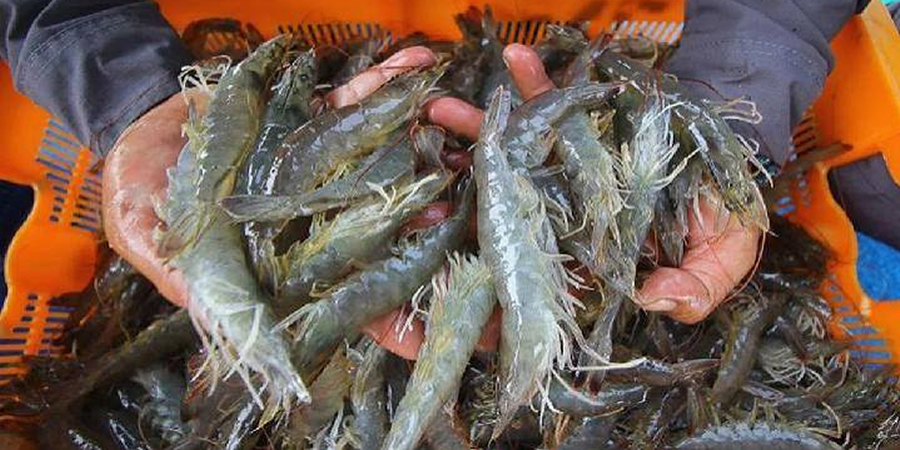
The ban, triggered by a US FDA alert over Cesium-137 traces detected in October 2025, was formally lifted on 24 May 2026 following an on-site inspection by US FDA that confirmed the effectiveness of Indonesia's corrective measures.
Saudi Arabia officially ended its suspension of shrimp imports from Indonesia on 24 May 2026, following the implementation of comprehensive contamination controls and a confirmatory inspection by the US Food and Drug Administration, Indonesia's Food and Drug Monitoring Agency (BPOM) announced on 30 June.
The suspension originated from an Import Alert issued by the US FDA in late October 2025 after traces of the radionuclide Cesium-137 (Cs-137) were detected in shrimp and spices of Indonesian origin. The Saudi Food and Drug Authority, along with several other food safety regulators, adopted the US FDA alert as a precautionary reference and imposed temporary restrictions on products from the same source companies. Four Indonesian exporters were affected: UD Jinawi Luhur, PT Legong Bali Nusantara, PT Muria Bahari Indonesia and PT Sekar Laut.
The Indonesian government responded by establishing a Cs-137 Handling Task Force spanning multiple ministries and agencies. The task force conducted a supply chain investigation to identify and contain the contamination source, and introduced mandatory radiation screening and certification requirements for export products. The US FDA subsequently conducted an on-site inspection and confirmed the effectiveness of the control measures, supporting the restoration of confidence among international trading partners.
BPOM Chief Taruna Ikrar said Saudi Arabia's decision to lift the suspension reflects close cooperation between the Indonesian government, exporters and Saudi authorities. BPOM, together with the Ministry of Marine Affairs and Fisheries, will continue risk-based supervision and compliance verification to ensure exporters consistently meet food safety standards in destination markets.
- VNA


