


July 2, 2026
Feed business outperforms broiler segment on margins as cost-plus model shields Indonesian poultry companies
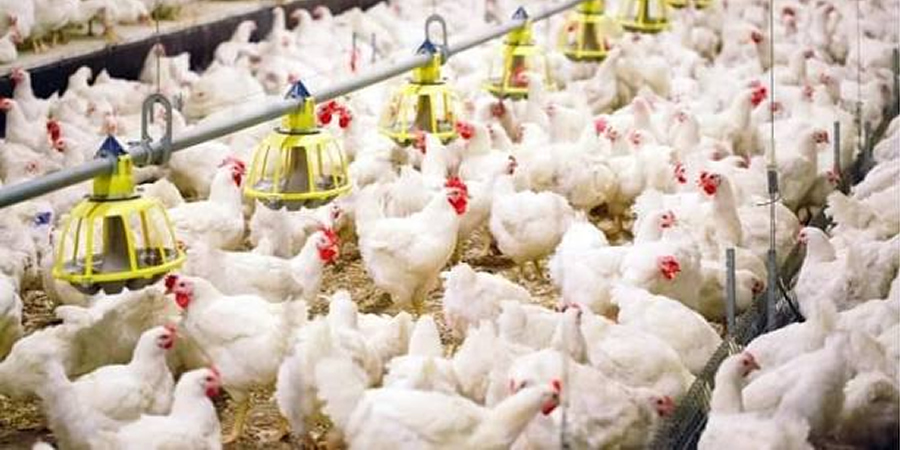
Raw materials account for 70% of feed production costs, split roughly 50% corn and 20% imported soybean meal, with the cost-plus pricing model allowing producers to pass through commodity price movements to customers.
Indonesia's listed poultry companies generate their highest operating profit margins from their feed businesses rather than from broiler sales, according to Mirae Asset Sekuritas Senior Research Analyst Andreas Kristo Saragih, who said the feed segment's cost-plus pricing model provides more stable profitability than the commercial farming segment.
Andreas said that while broiler sales account for approximately 50% of total revenue for Indonesian poultry integrators, the feed business contributes a disproportionately larger share of EBIT. The cost-plus model, under which producers adjust selling prices to reflect input cost movements, allows feed manufacturers to pass raw material cost increases through to customers and protect margins even during periods of commodity price volatility.
Raw materials make up around 70% of feed production costs. Corn, predominantly sourced domestically, accounts for approximately 50% of that total, while soybean meal - imported primarily from Argentina, Brazil and the United States - accounts for around 20%. Because soybean meal is imported, it is sensitive to both global commodity prices and exchange rate movements. Andreas said that even when soybean meal prices rise, the US dollar strengthens, or domestic corn prices increase, the cost-plus structure allows feed producers to absorb these pressures without a material margin impact. "That is what makes feed business margins relatively more stable," he said.
Beyond cost structure, Andreas said the long-term demand outlook for feed is supported by Indonesia's trajectory in processed food consumption. Drawing on a consumption study from South Korea covering 1998-2022, which showed ultra-processed food's share of diet increasing consistently across all income groups, he said Indonesia is likely five to ten years behind South Korea on that curve. As urbanisation, lifestyle changes and demand for convenient food products continue to grow, consumption of animal protein and the supply chain supporting it - including the feed industry - is expected to expand. "As processed food consumption increases, the need for animal protein and its supporting supply chain, including the feed industry, also has the potential to continue growing," he said.


