


July 2, 2024
Irish vets under pressure as EU regulations demand responsible antimicrobial use
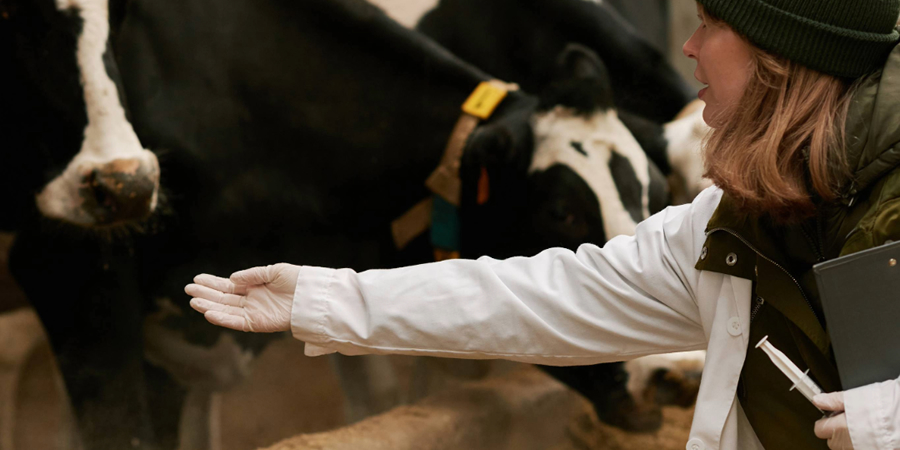
Irish veterinarians are facing increasing pressure to prescribe antimicrobials more responsibly under new European Union (EU) regulations, Agriland reported.
This information comes from a study published in the Irish Veterinary Journal, which collected data through focus groups comprising dairy farmers, agricultural advisors, and farm animal veterinarians.
The EU aims to reduce the overall sales of antimicrobials for farmed animals by 50% by 2030. Achieving this goal will require more strategic use of vaccinations to prevent diseases and more timely diagnosis of animal illnesses to ensure appropriate antimicrobial use. Maintaining good animal health in Irish herds and controlling and preventing disease outbreaks on farms will become essential.
Early diagnosis of animal health issues is key, highlighting the need for more effective animal health testing practices on Irish farms. However, limitations exist on the range of on-farm tests available. As farmers and vets decide which cases to submit to Regional Veterinary Laboratories (RVLs) for testing, there is a risk of under-reporting cases and lack of engagement with testing procedures, potentially impacting disease prevalence on farms.
Research explored factors affecting farmer and veterinarian engagement with animal health testing, including the type of case, influence of the veterinarian, inconvenient RVL opening hours, farm distance to the RVL, and past issues with RVL services such as receiving inconclusive results, long wait times for test results, or not receiving results at all.
The development of an on-farm testing tool would enable veterinarians to achieve rapid diagnosis and facilitate timely and targeted treatment of animal illnesses, helping to reduce overall antimicrobial use on farms. However, engagement with end users has highlighted potential unintended negative consequences if the tool is not developed correctly, such as misdiagnosis, increased antimicrobial use, challenges to farmer-veterinarian relationships, and data misuse.
The anticipated tool will be a handheld device using biological sensors for on-the-spot sample testing, which traditionally would need to take place in an RVL. These sensors will determine whether a sample is positive or negative for an animal illness or disease by identifying and detecting antibodies in the sample.
Successful development and integration of this tool could have positive effects for the Irish agricultural industry. It would eliminate wait times for lab results and assist vets in diagnosing and treating sick animals quickly and accurately during callouts. This would help vets determine the correct (if any) antimicrobials to administer, eliminating unnecessary use and safeguarding critical antimicrobials for essential cases.
- Agriland


