


June 30, 2025
Wales, UK records first bird flu cases in two years
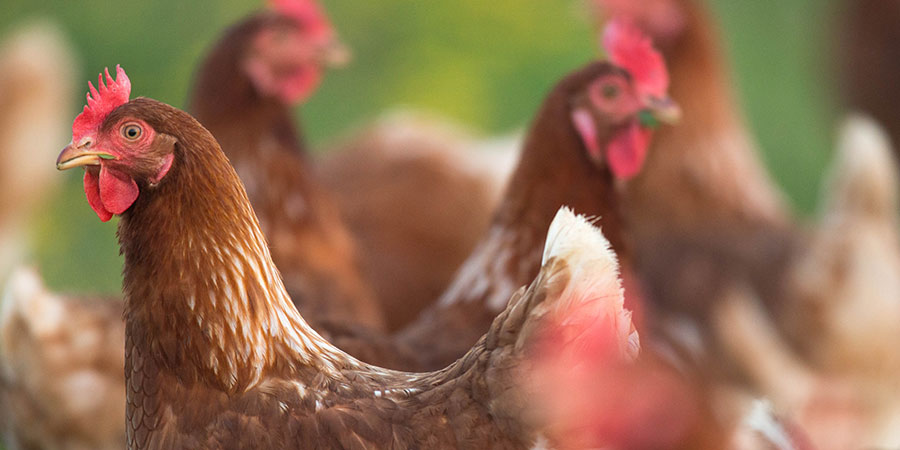
Bird flu cases in Wales, UK have been confirmed at a smallholding poultry farm of 120 hens near Haverfordwest, Pembrokeshire, and at a commercial game bird premises near Glyn Ceiriog, Wrexham last week.
A 3 kilometre (km) or 1.9 miles protection zone and 10km (6.2 miles) surveillance zone were in place around each of the infected premises, the Welsh government said.
It added the Pembrokeshire case was the first in a poultry flock in Wales since April 2023.
Protection zones mean stricter measures are in force in the area to contain the disease, while in the wider surveillance zones some restrictions may apply to movement.
The Welsh government said the occupiers of the affected premises must record all movement of people, poultry or other captive birds and their eggs in and out of the zones.
Other steps include the housing or isolating of all birds, a stop to all spreading of poultry litter and manure except by a licensed veterinary inspector, and disposal of bird carcasses in accordance with inspectors' instructions.
It said the Animal and Plant Health Agency (APHA) was working "on implementing disease control measures" at both sites, adding it was "essential that all bird keepers take action now to check and reinforce hygiene and biosecurity measures to protect their birds".
Veterinarian Phil Thomas said it was "a bit of a shock" to have two separate Welsh sites affected, adding the cases in Haverfordwest were close to where shorebirds live.
"The country is vigilant throughout the year now, not just during the winter months as we used to be, because that is the peak in terms of bird flu," he told Radio Cymru's Dros Frecwast programme.
"About a year ago, things calmed down, and no cases occurred for several months. It's a bit of a disappointment that we have detection of the flu now."
Bird flu, or avian flu, is an infectious type of influenza that spreads among birds and, in rare cases, can affect humans.
There are many different types, but the strains of biggest concern in the UK can be spread by close contact with an infected bird - dead or alive - as well as its droppings and surroundings.
The National Health Service urges people to avoid contact with live birds where possible, and to wash their hands often with warm water and soap, especially before and after handling food, in particular raw poultry.
Other tips for avoiding the spread include using different utensils for cooked and raw meat, making sure meat is cooked until steaming hot.
Bird flu outbreaks have been a major issue for poultry farmers across the UK in recent years.
The virus has also ripped through wild birds - from rare seabirds along the Welsh coast to waterfowl and birds of prey.
There was a brief reprieve last year - with celebration at the Royal Welsh Agricultural Show, as poultry exhibitors were allowed back for the first time in years.
But in response to a rash of cases in England, an Avian Influenza Prevention Zone was declared across Wales in late January, enforcing strict biosecurity measures for all bird keepers.
Gatherings of poultry have also been banned since February.
A confirmed case of bird flu has huge financial as well as emotional implications for farms - with entire flocks culled.
Traditionally it has been more of a problem over the colder, winter months, though veterinarians are now encouraging vigilance throughout the year.
These new cases come amid concern within the industry over the threat posed by another virus - bluetongue - affecting cattle and sheep.
- Yahoo News (Australia)


