


June 29, 2026
Pakistan approves national biotech policy but GM maize commercialisation remains blocked
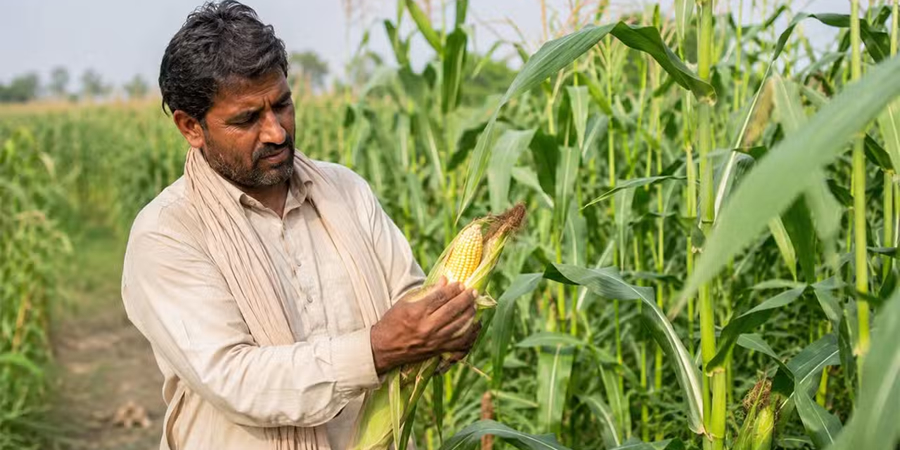
The new framework fills a regulatory gap left by earlier biosafety laws, but a moratorium on GM maize cultivation dating to 2019 remains in place, leaving the feed sector's most immediate interest unresolved.
Pakistan's federal cabinet has approved the National Agricultural Biotechnology Policy (NABP) 2025, a framework governing the development, regulation and commercialisation of genetically modified crops, though GM maize - the variety of greatest relevance to the country's feed and poultry industries - remains unapproved for commercial cultivation.
The policy was drafted over more than two years through committees led by the Pakistan Agricultural Research Council and the National Seed Development and Regulatory Authority. It divides biotechnology into regulated domains, including GMO commercialisation and gene editing, and non-regulated areas such as tissue culture. Officials described it as addressing a strategic gap that had left earlier biosafety legislation without unified direction.
The approval has renewed debate over GM maize. Seed-industry bodies including CropLife Pakistan argue that GM hybrids offer built-in resistance to threats such as the fall armyworm, reduce pesticide use, and have demonstrated yield advantages of between 10% and 46% in National Uniform Yield Trials. The feed sector has a direct stake in the outcome: poultry consumes an estimated 65% of Pakistan's maize grain use, with wet milling and dairy feed accounting for most of the remainder. Proponents also note that the poultry and feed industries already use imported GM soybean and canola, meaning domestically produced GM maize grain would enter an established market.
The regulatory position, however, remains cautious. Biosafety licences covering confined field trials granted to Corteva in 2016 and Bayer in 2017 did not extend to commercial cultivation, and in May 2019 all biosafety licences for the import and field testing of GM maize were suspended on health and environmental grounds, primarily the risk of gene flow into non-GM varieties from a highly cross-pollinating crop. As of late 2025, GE cotton remained the only crop approved for commercial planting in Pakistan.
Opposition to commercialisation comes from several quarters. Exporters including Rafhan Maize Products have warned that approving GM maize could jeopardise sales to European markets that require GM-free supply. The food ministry has previously argued that domestic maize demand can be met without GM seed, citing yields already exceeding 100 maunds per acre in parts of the country, while a provincial environmental regulator cautioned against commercial approval ahead of completed field trials.
The National Biosafety Committee is reported to be reconsidering the suspended maize licences. Whether the new policy translates into commercial cultivation approval will depend on that review, and on how the government weighs projected productivity gains against the export, biosafety and supply-sufficiency concerns that have kept GM maize blocked for the past six years.
- The News


