


June 29, 2023
Canadian farmers plant most wheat in 22 years
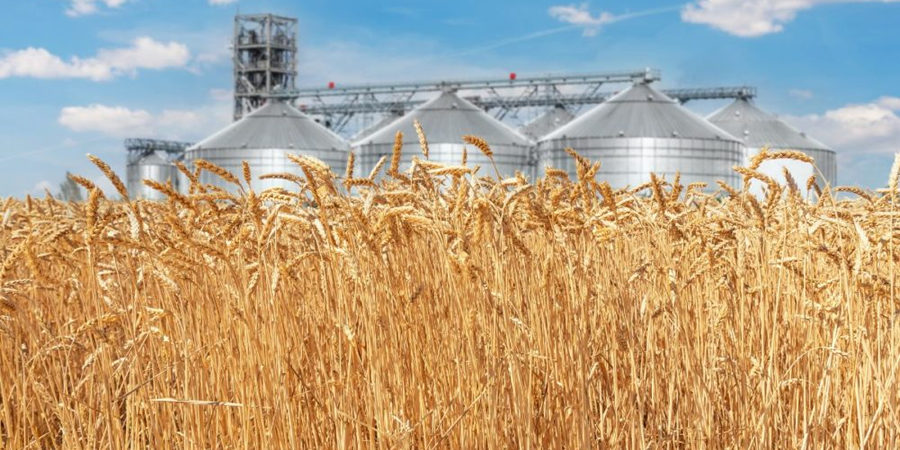
Canadian farmers have seeded the most wheat in 22 years, slightly exceeding expectations, as indicated by a government report published on Wednesday, Nasdaq reported.
The report also revealed that they have planted more canola than the industry had forecasted. These findings underline Canada's position as the world's fourth-largest wheat exporter and the leading canola shipper, which primarily produces vegetable oil.
The country's wheat production is important this year due to adverse weather conditions, with heavy rain impacting wheat crops in China and drought affecting the US.
Parts of the Canadian Prairies face dryness, which raised concerns about potential yields. According to Statistics Canada, the estimated plantings of all wheat, encompassing winter wheat sown last year for harvesting this summer, stand at 26.9 million acres, surpassing the industry's average expectation of 26.5 million acres.
This year's wheat sowings show a nearly 7% increase from the previous year, marking the highest volume since 2001. When including winter wheat, this becomes the fourth-largest recorded wheat area, a metric tracked by StatsCan since 1997.
Canadian farmers have expanded wheat plantings due to favourable prices and the crop's relative resistance to dryness. But there is a possibility that both wheat and canola yields may slightly fall below normal levels, according to Bruce Burnett, the Director of Markets and Weather at MarketsFarm.
Burnett expressed significant concerns about the dry conditions in the Canadian Prairies, emphasising the urgent need for rainfall. Unfortunately, the weather forecast for the first 10 days of July does not indicate immediate relief.
Burnett also said that crops in southern Alberta, western Saskatchewan, and southwestern Manitoba are particularly affected by the dryness, showing signs of stress.
The canola planting area amounted to 22.1 million acres, surpassing StatsCan's April estimate of 21.6 million acres and reflecting a 3% increase compared to the previous year. The average trade estimate was 21.8 million acres.
Lawrence Klusa, president of advisory firm Seges Markets, said that StatsCan's unexpectedly high canola estimate may exert downward pressure on prices, which could impact the market that has been experiencing a downward trend.
- Nasdaq


