


June 28, 2024
Roslin-led consortium awarded US$1.4 million to study impact of banning zinc oxide in pig diets
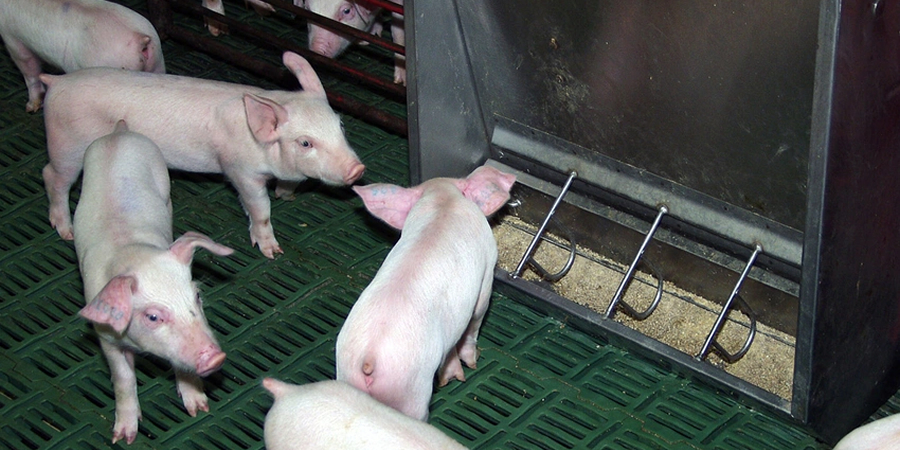
A Roslin-led consortium of research and industry partners has recently been awarded £1.1 million (US$1.4 million) to investigate the consequences of the upcoming ban on zinc oxide in pig diets on antimicrobial resistance (AMR) and animal health, the Roslin Institute announced.
This award, granted by the United Kingdom's Biotechnology and Biological Sciences Research Council (BBSRC), will support the team's ongoing efforts to understand the impacts of the supplement's withdrawal.
The ban, set to be enforced in the UK in June 2024, follows concerns that the use of zinc oxide in weaning piglets' diets may contribute to the development of AMR.
Traditionally, zinc oxide has been added to piglet diets to suppress post-natal weaning diarrhoea (PWD), which poses a significant threat to pig health, welfare, and production globally.
The project is set to run until 2027 and aims to support the UK pig industry in adapting to regulatory changes while ensuring the health and welfare of piglets remain paramount, the team said.
Scientists will conduct a study across a number of commercial pig herds in the UK to monitor levels of the bacteria responsible for causing PWD, as well as AMR, before and after the ban.
The team will then examine the genetic makeup of bacterial strains responsible for PWD, as well as pigs' gut microbiome, to shed light on the potential consequences of zinc oxide withdrawal on disease spread and AMR.
By studying intestinal bacteria in the animals' gut, researchers aim to identify potential replacements for zinc oxide that could enhance piglet resilience to PWD.
The consortium, which has received this BBSRC Responsive Mode 2023 award, also includes parties from Queen's University Belfast, the Animal and Plant Health Agency (APHA), Scotland's Rural College (SRUC) , Edinburgh Napier University, and the University of Surrey. An industrial partner, feed company AB Neo, is also part of the consortium.
The research is also expected to pave the way for the development of sustainable strategies to manage PWD in pig production systems.
"By addressing the uncertainties surrounding 'zero zinc' and offering evidence-based solutions, we set out to support the pig industry to adapt while maintaining the health and welfare of piglets," said Dr. Deborah Hoyle of the Roslin Institute.
"We are dedicated to navigating the challenges posed by the ban on zinc oxide in pig diets," said Dr. Sam Beechener of Scotland's Rural College. "By conducting comprehensive studies across commercial pig herds, we hope to provide actionable insights that will safeguard piglet health and support sustainable pig production practices."
- Roslin Institute


