


June 26, 2025
Namibia's annual livestock vaccine expenses exceed US$7 million
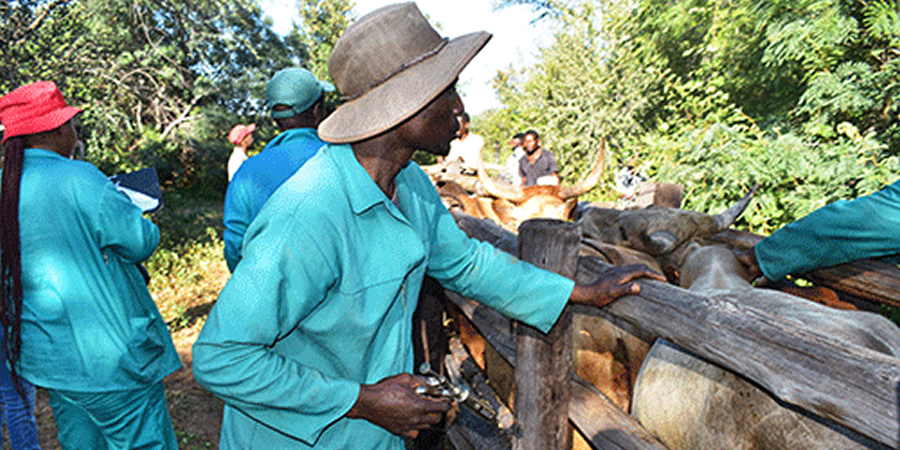
The Namibian government spends over N$140 million (US$7.90 million) each year on livestock vaccines, while still heavily reliant on imported inputs for vaccine production.
This was highlighted by the Minister of International Relations and Trade, Selma Ashipala-Musavyi, who announced the country's intention to strengthen local production of animal vaccines in order to reduce costs. To achieve this, she is seeking investors and support from China in agriculture-linked industries that promote local manufacturing.
"We welcome investors who are committed to value creation, knowledge and skills transfer, innovation, and sustainable growth. In the spirit of China-Africa economic and trade cooperation, let us build strong agricultural systems together — systems that nourish our people and strengthen China-Africa trade, in the context of South-South cooperation," the
She made these remarks at the recently held Investing in Africa and China Agriculture Production and Trade Cooperation Conference, held in Changsha, China, under the theme "Investment Environment and Cooperation in Agriculture."
Ashipala-Musavyi explained that Namibia currently relies on imported inputs for the production of animal vaccines, including those for Foot-and-Mouth Disease (FMD) and Contagious Bovine Pleuropneumonia (CBPP).
She further revealed that the country's reliance on imported agricultural inputs goes beyond vaccines. It also includes certified seed multiplication, fertiliser blending and manufacturing, pesticides, herbicides, and livestock feed production.
To reduce this dependence, Ashipala-Musavyi urged investment in agriculture-linked industries that support domestic production, highlighting the importance of establishing local manufacturing capacity to meet both domestic and regional needs. She emphasised that this initiative is particularly important, as agriculture is a cornerstone of Namibia's development strategy.
"For Namibia, agriculture is a cornerstone of its development agenda. It holds immense potential to deliver food security, generate sustainable employment — especially for our youth — and drive rural transformation, industrialisation, economic diversification, and sustainable development," the minister said.
- Informanté (Namibia)


