


June 25, 2024
Few US farms seek federal assistance for bird flu outbreak
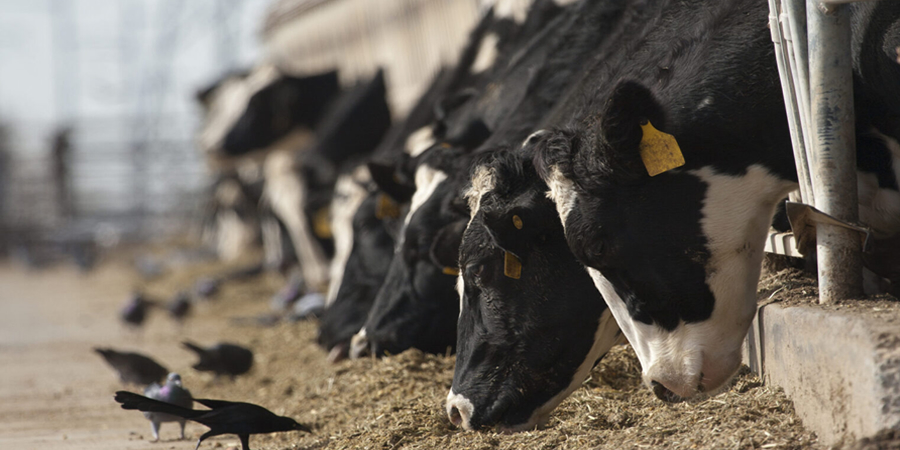
A small number of US farms, only 18 in total, are currently accepting federal funds to address the H5N1 avian flu outbreak among dairy herds that began three months ago, according to the US Department of Agriculture (USDA), Food & Environment Reporting Network reported.
Farms with outbreaks can receive up to US$28,000 over three months, while other dairy producers can obtain US$3,500 to enhance biosecurity practices and test their cows for the virus.
The Centres for Disease Control (CDC) reported that over 690 individuals have been monitored for bird flu due to exposure to infected or potentially infected animals, marking an increase of 140 in one week. Additionally, 51 individuals exhibiting flu-like symptoms have been tested for bird flu, with six new cases. Three farmworkers have contracted mild cases of bird flu since the virus was confirmed to have spread from birds to dairy cattle on March 25.
Despite these cases, the CDC maintains that the risk to the public remains low. All three cases had direct contact with sick cattle. The CDC also recorded over 3.4 million impressions from outreach efforts aimed at educating farmworkers about bird flu risks, preventive actions, symptoms, and protocols if they become ill.
Michigan, severely affected by H5N1 in cows, has the highest enrolment for USDA financial assistance, with 11 out of the 18 participating farms nationwide. New York is the only state with a herd enrolled for aid that has not had an outbreak. Additional enrolments include three herds in Iowa, two in Colorado, and one in Wyoming.
The USDA's database indicates that the H5N1 virus has been confirmed in 112 herds across 12 states. Before a recent update, the database listed 116 affected herds. According to the latest Census of Agriculture, there are slightly more than 24,000 US dairy farms.
In early May, the USDA announced that up to US$28,000 would be available over three months to farms with infected herds. This funding covers costs for protective equipment for workers, veterinary testing and treatment, heat treatment of discarded milk, and enhanced biosecurity practices. Ten days later, the USDA stated that farms without positive tests for bird flu could receive up to US$1,500 for biosecurity improvements and up to US$2,000 for cow testing.
The USDA has also planned a disaster-aid regulation to compensate farmers at 90 percent of the value of lost milk production due to the virus. Additionally, Iowa State Agriculture Secretary Mike Naig urged the USDA to compensate dairy farmers at fair market value for cows culled because of bird flu. Infected dairy cows typically develop a fever, lose their appetite, and produce less milk, generally recovering after a couple of weeks. USDA scientists report that mortality and culling rates average 2 percent or less.
Iowa reported its 11th bird flu case among dairy herds on Sunday in Sioux County, with two other cases in the same county reported on Friday.
Four herds, located in Kansas, Nebraska, New Mexico, and Texas, have enrolled in a voluntary USDA programme requiring weekly milk sample testing from bulk coolers. Participating farmers are exempt from testing lactating cows for bird flu before interstate shipping. Enrolment for this programme began on June 3.
The USDA has allocated US$2.1 billion to combat bird flu since domestic flock outbreaks began in February 2022. Over 97 million birds, mainly egg-laying hens and turkeys raised for human consumption, have died from bird flu or been exterminated to prevent its spread.
- Food & Environment Reporting Network


