


June 24, 2026
Global fishmeal output fell 28% in Q1 2026 as aquafeed industry accelerates search for alternatives
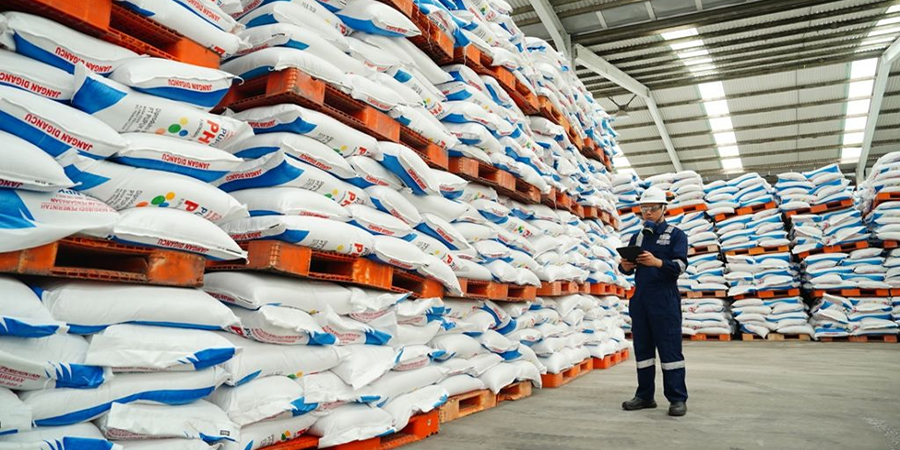
Climate volatility, El Niño risk in Peru and rising competition from Chinese feed and salmon producers are intensifying pressure on marine ingredient supplies, with fish oil volumes also declining.
Global fishmeal production fell 28% year-on-year in the first quarter of 2026 while fish oil output declined 12%, according to IFFO data cited at the Blue Food Innovation Summit in London, as intensifying competition for marine ingredients accelerates the aquafeed industry's search for alternative raw materials.
Katherine Bryar, Director of Strategic Partnerships at Aqua-Spark, said feed is one of the largest bottlenecks constraining the expansion of global aquaculture. Dave Robb, Director of Sustainability at Cargill Animal Nutrition and Health, said increasing competition for fishmeal and fish oil, combined with climate change and El Niño risk in Peru, is adding further upward pressure on prices for both ingredients.
Despite the supply tightness, experts noted that the aquafeed sector has made significant progress in reducing dependence on marine raw materials. A typical salmon feed formulation today may contain more than 20 different ingredients, compared with near-total reliance on fishmeal and fish oil in the 1990s. However, complete substitution remains difficult because fishmeal and fish oil provide essential omega-3 fatty acids — including EPA and DHA — and highly digestible proteins critical to fish growth, health and product quality.
Alternatives currently being commercialised include insect meal, algal oil, single-cell protein, microbial ingredients, precision fermentation products and oil-rich genetically modified crops. Next-generation aquafeed formulations are also increasingly incorporating functional ingredients aimed at improving gut health, nutrient absorption, immunity and feed conversion efficiency.
Industry experts said widespread adoption of alternative ingredients will require sustained collaboration across the full value chain and long-term commitment to innovation, rather than reactive responses when traditional marine ingredient supplies come under acute pressure. Aquaculture production is projected to need to double by 2050 to meet global food demand.


