


June 24, 2026
Thailand's OAE warns El Nino and geopolitical shocks are eroding livestock feed chain competitiveness
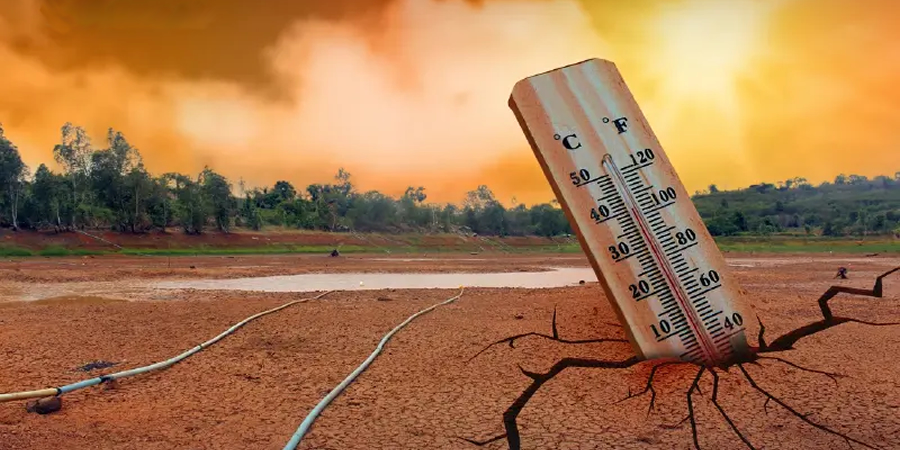
The secretary-general of Thailand's Office of Agricultural Economics said heat stress is worsening feed conversion ratios across the livestock sector while import corn constraints and rising raw material costs continue to squeeze broiler producers.
Thailand's agricultural sector is facing a confluence of climate, geopolitical and regulatory pressures that are restructuring cost dynamics across livestock and feed supply chains, Peerapat Korthong, Secretary-General of the Office of Agricultural Economics (OAE), warned at the Bualuang Securities Thai Corporate Day 2026 conference on 22 June.
Korthong said El Nino and rising temperatures are directly affecting livestock production efficiency, as heat stress causes animals to eat less while requiring higher care costs, worsening feed conversion ratios (FCR) across the sector. He said climate change is no longer simply a matter of water availability, but involves more frequent and severe temperature extremes that are undermining Thailand's comparative agricultural advantages across multiple commodities.
For Thailand's broiler sector, a major global export hub, Korthong said the ongoing Middle East conflict has driven volatility in imported feed raw material prices. While imports of feed corn from the United States or ASEAN countries are under consideration to reduce costs, he said these are subject to stringent conditions including sanitary and phytosanitary (SPS) standards, GMO restrictions and non-burn requirements for ASEAN-origin corn, complicating supply chain stabilisation.
Korthong identified livestock and fisheries as the agricultural sub-sectors with the strongest near-term capacity to adopt smart farming technology, attributing this to higher profit margins that justify technology investment and to heightened sensitivity to disease outbreaks that drives biosecurity-driven adoption of precision farming practices.
He also flagged emerging regulatory compliance requirements as a structural challenge for Thai agriculture, including MRV systems for greenhouse gas emissions, ESG traceability standards, and the EU Deforestation Regulation (EUDR), which requires supply chain verification that products are not linked to deforestation.
The OAE said its second-half plan includes scenario-based water resource management modelling to prevent agricultural and industrial supply shortfalls, alongside risk mapping to alert farmers in high-risk areas against over-investment in vulnerable production cycles.


